A casting route planned around the finished part
We use a silica-sol lost-wax process for components ranging from small precision parts to large industrial castings. Our material range covers stainless steel, carbon steel, alloy steel, duplex steel, heat-resistant steel and nickel-based alloys.
The most useful projects are reviewed as finished components. Tooling direction, gating, machining stock, locating features, critical surfaces and inspection access are considered before the process route is fixed.
Capability quick reference for sourcing teams
| Buyer question | Current capability / where to verify |
|---|---|
| Part mass | 3 g–150 kg investment-cast part range |
| Casting capacity | Approximately 150 tons/month |
| Alloy families | Stainless, duplex, carbon / low-alloy, heat-resistant and nickel-based families; exact grade to drawing / standard |
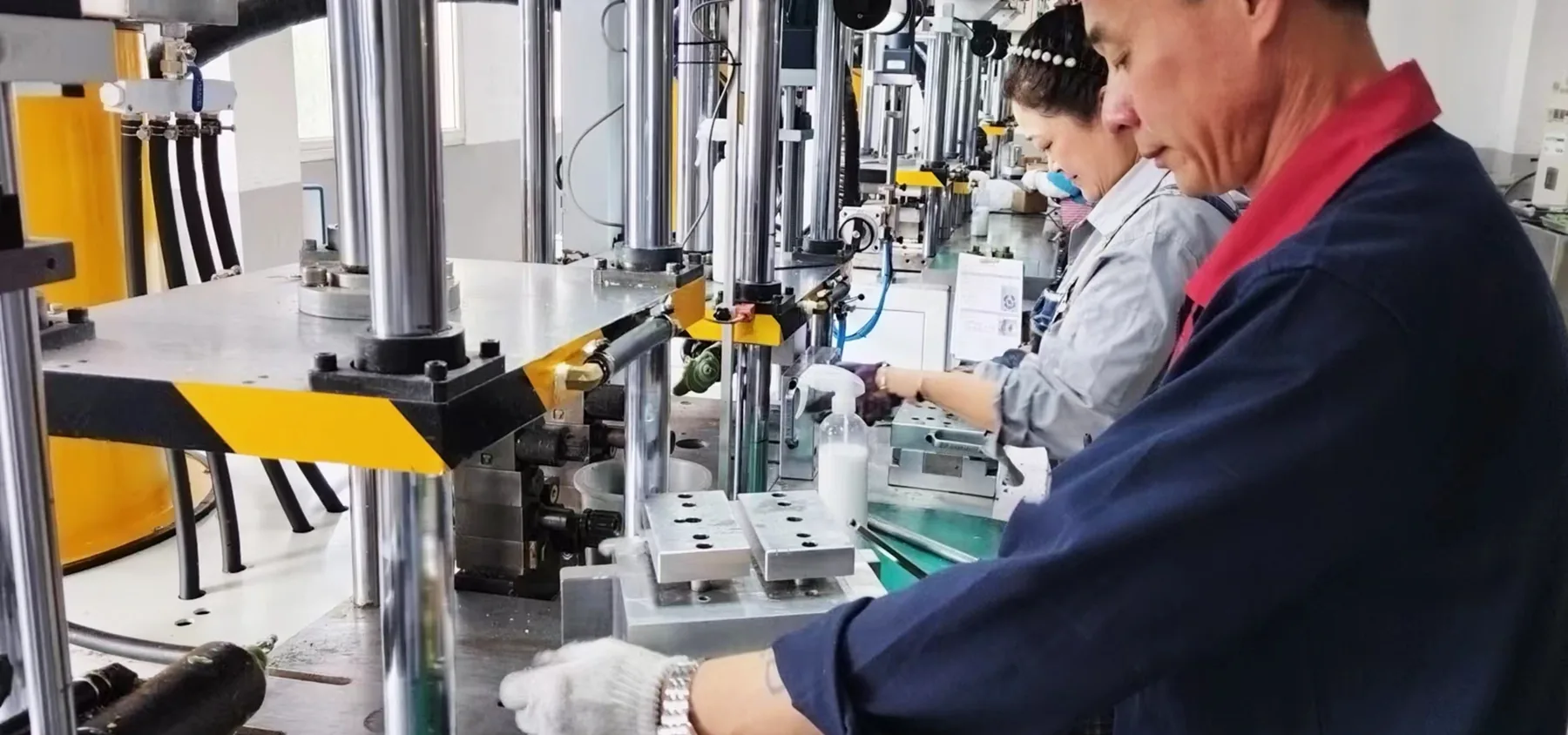
| Downstream machining | 40+ CNC machines for turning, milling, turn-mill, HMC, VMC and multi-axis work |
| Finishing & verification | Mechanical finishing, passivation / electropolishing where specified, dimensional inspection, material verification, NDT and pressure / leak testing as required |
| Production model | Prototype-to-repeat review, HMLV programs and scheduled supply / stocking structures where appropriate |
For geometry-specific limits, use the investment-casting tolerance guide, minimum-wall guide and machining-allowance guide as engineering starting points. Final feasibility is always drawing- and alloy-specific.
Typical production sequence
- Drawing and 3D-model review
- Tooling and wax-pattern planning
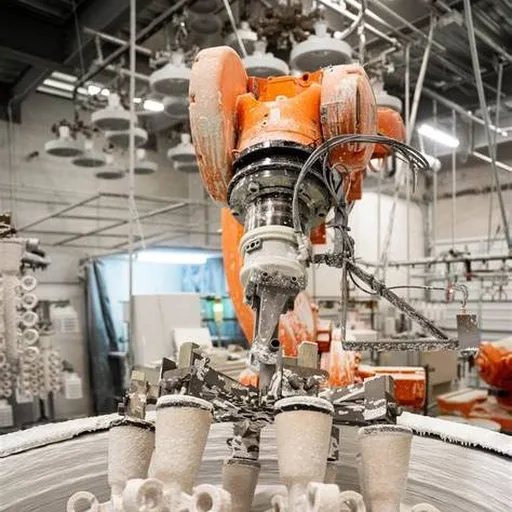
- Wax assembly and ceramic-shell building
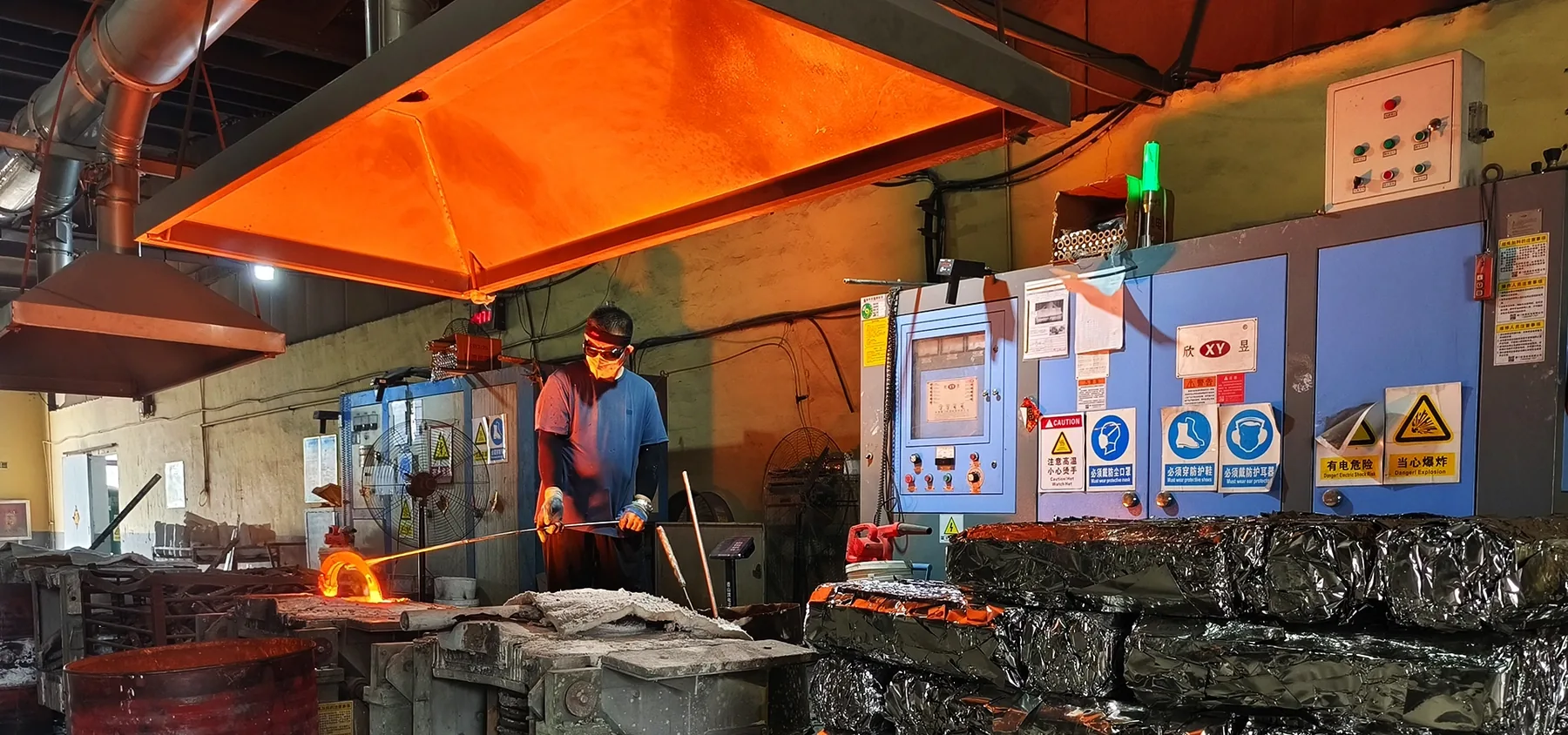
- Dewaxing, firing and alloy melting
- Pouring, knockout and cut-off
- Heat treatment and cleaning as required
- Machining, surface finishing and inspection
Controlled repair when the specification permits
Localized casting discontinuities or damage introduced during downstream handling/processing can sometimes be removed and repaired by laser welding only when the material, drawing, governing specification and customer requirements permit repair. The repaired area is then finished and re-inspected to the agreed acceptance requirement.
Repair-welding restrictions, prohibited zones and approval/documentation requirements should be stated in the RFQ. Pressure-boundary, sealing, fatigue-critical and other safety- or function-critical regions are never assumed repairable.
Where investment casting creates value
- Complex external and internal geometry
- Integrated bosses, lugs, ribs and flow passages
- Corrosion-resistant or high-alloy materials
- Components requiring both as-cast form and machined interfaces
- Programs where reducing welds or multi-piece fabrication is valuable
Inspection planning
Material verification, dimensional inspection, penetrant inspection, ultrasonic inspection and other methods can be assigned according to the drawing and service risk. For boundary components, pressure or leak testing is coordinated at the final relevant condition defined by the drawing and validation plan, typically after the machining operations that establish the pressure boundary or sealing interfaces.
Design review before quotation
Final feasibility depends on alloy, wall transitions, geometry, tolerances, surface requirements and annual quantity. Send both the 2D drawing and 3D model when available so the casting and machining route can be reviewed together.
Customer result: forging converted to investment casting
A Danish customer moved a production component from forging to investment casting after engineering and feasibility review, reducing finished-component cost by approximately 30% in that project. This is a project-specific result, not a blanket savings claim for every conversion. Read the case study
See real investment-cast parts
Browse the casting section of our real manufacturing gallery