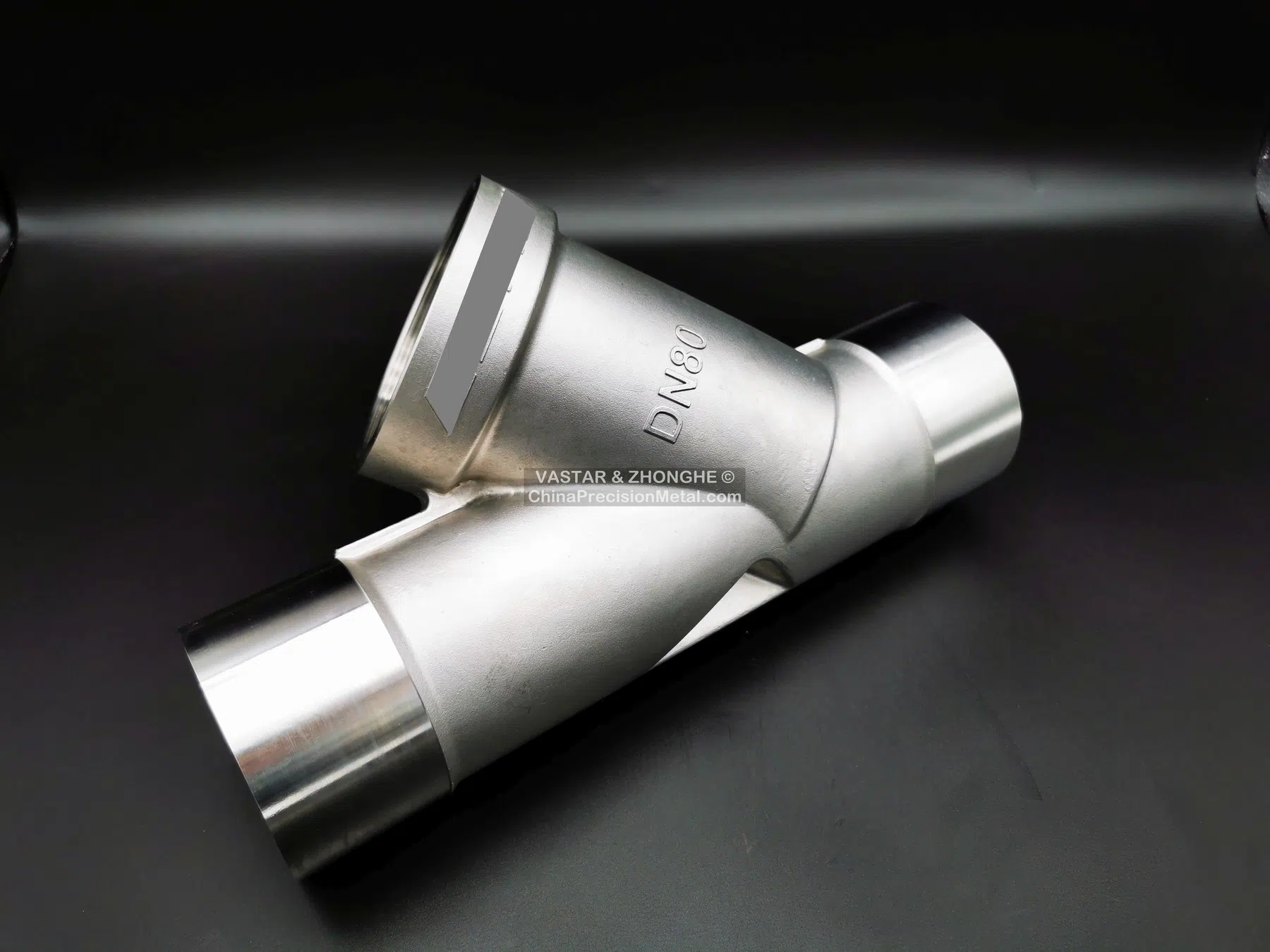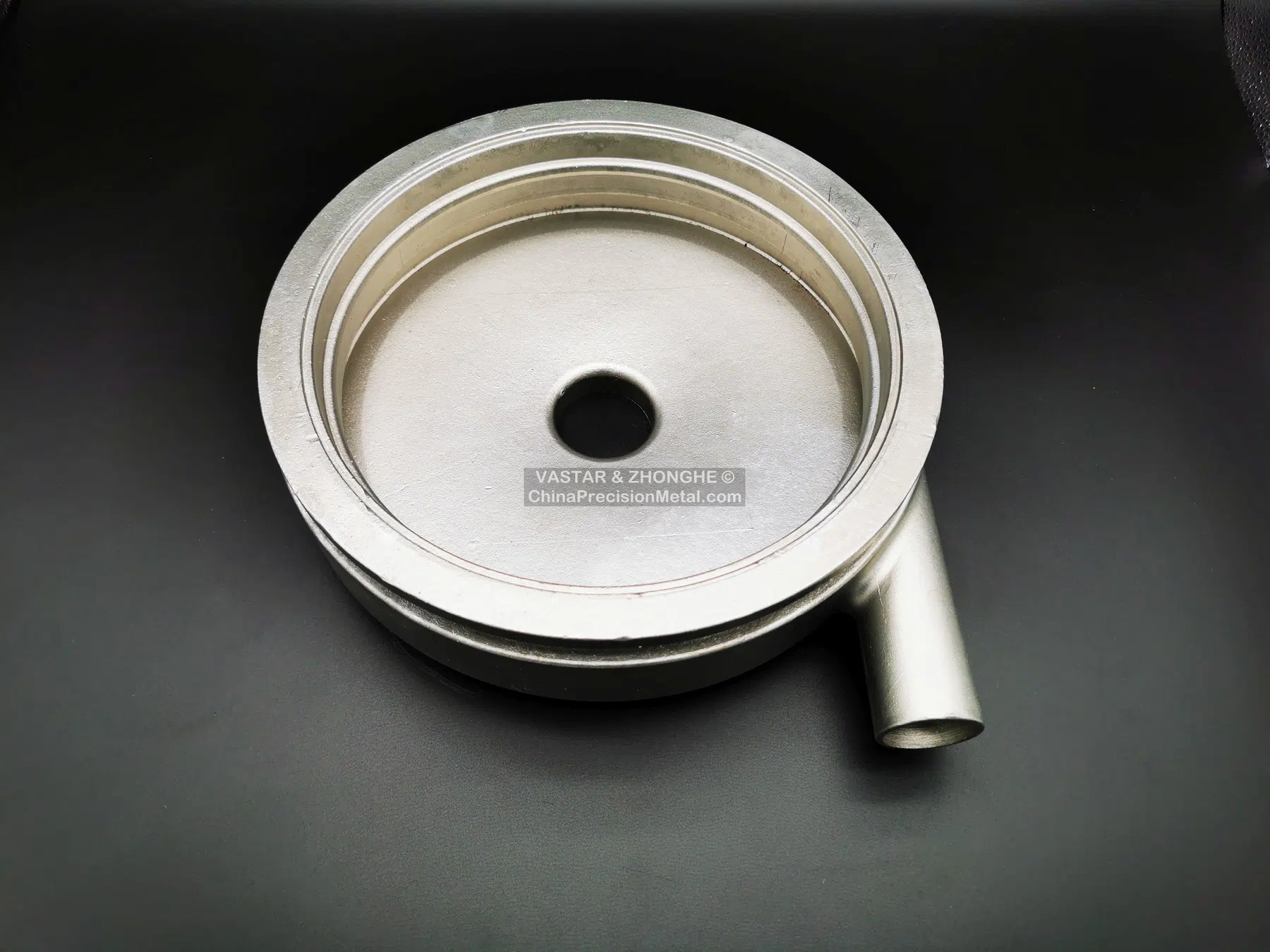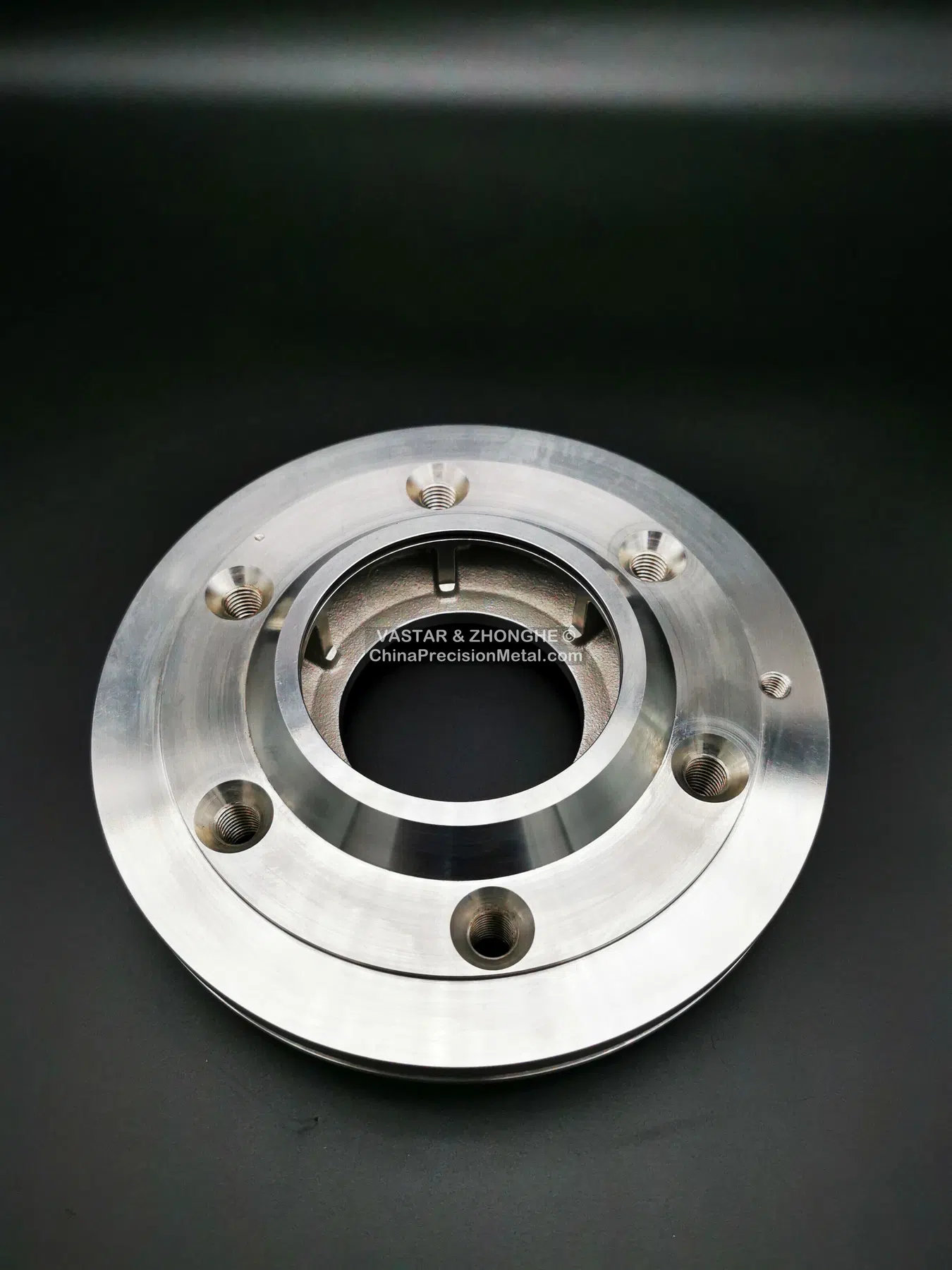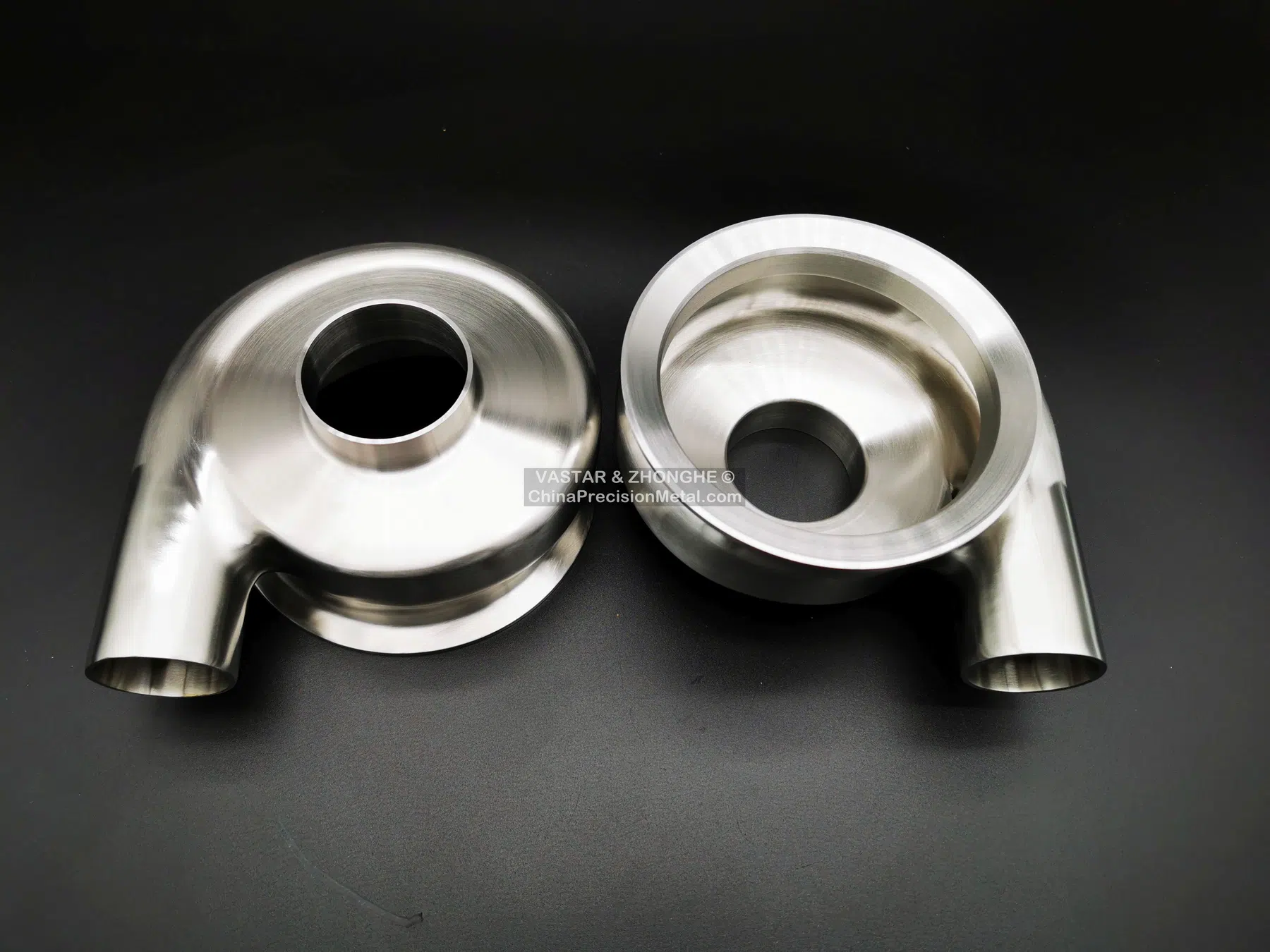
Manufacturing example, not a test certificate: Pressure Valve Body illustrates how casting integrity, sealing-feature machining and pressure-test planning interact. It is not an acceptance record for a new part; specify the governing test conditions, leakage criteria and inspection scope on the drawing.
Component-focused process review
Pressure-tight components require the casting structure, machining depth, sealing surfaces and final verification to be treated as one system. Machining can expose discontinuities that were not connected to a surface before cutting, so test planning should reflect the finished geometry rather than only the as-cast condition.
Common purchasing priorities
Pressure-retaining hardware used in liquid-cooling loops brings together material compatibility, final-machined seals and leakage criteria. the liquid-cooling components manufacturing guide explains where cast-and-machined manifolds and housings may fit; its examples are process options, not evidence of acceptance for a particular part.
- Design pressure, test pressure and allowable leakage
- Gas or liquid test medium and test sequence
- Wall transitions, isolated heavy sections and machining depth
- Sealing surfaces, ports and threaded connections
- Material verification, NDT and traceability requirements
- Test timing before and/or after final machining as specified
- Repair-welding allowance, prohibited zones and required approval/documentation
Integrated supply
Investment casting, CNC machining, NDT and pressure/leak testing can be coordinated under one route so casting condition and finished sealing performance are evaluated together. Any repair-welding route is governed by the drawing/specification and is never assumed acceptable for a pressure boundary.
Start with the application
Provide the pressure and temperature range, media, leakage criterion, material, pressure-boundary areas, machining depth near those areas and the required NDT and pressure/leak-test procedure.
Relevant project and manufacturing examples
Related examples describe manufacturing or sourcing decisions; they do not certify that the pictured product is the case-study part.