Use an existing platform or adapt the product
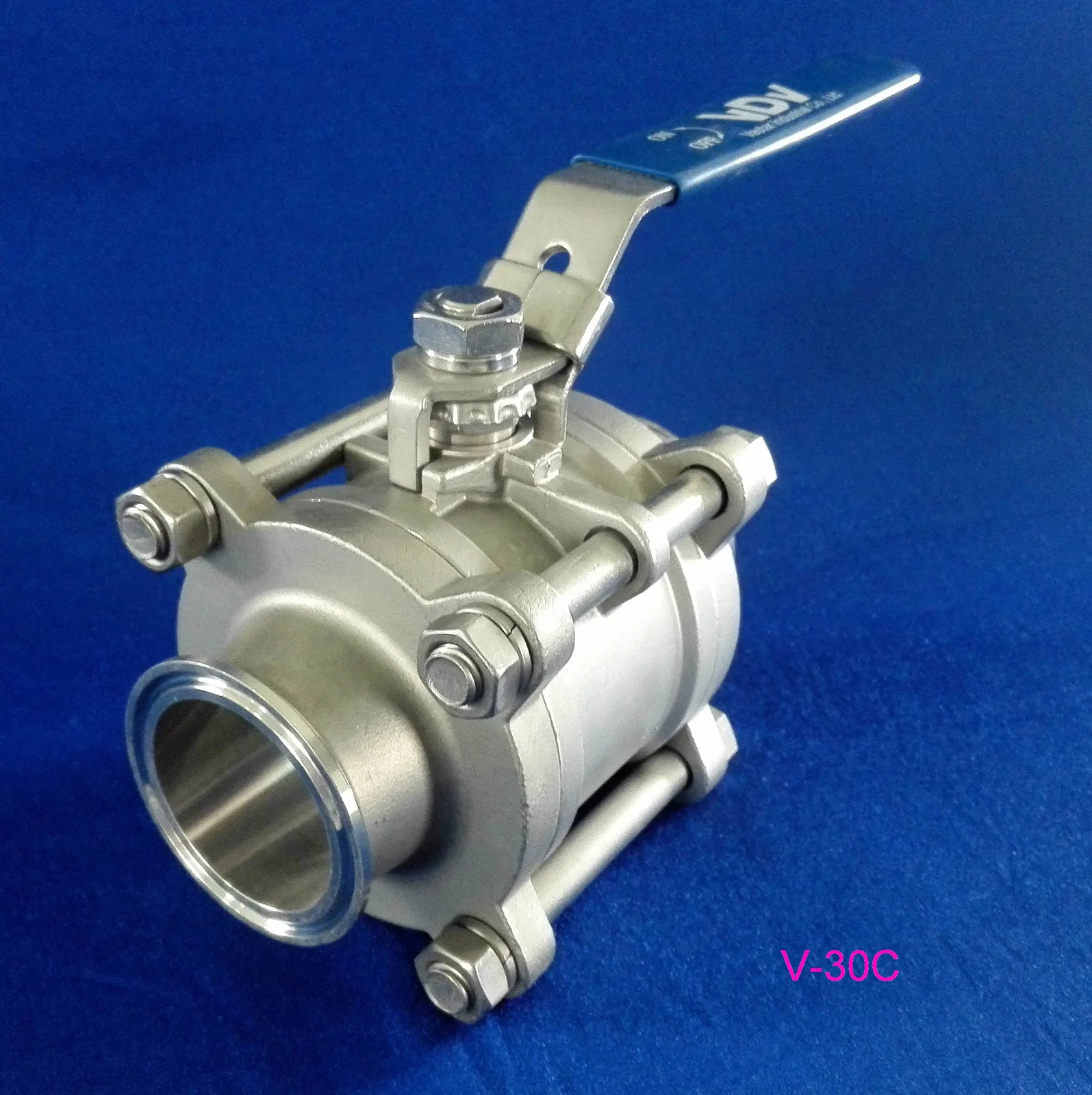
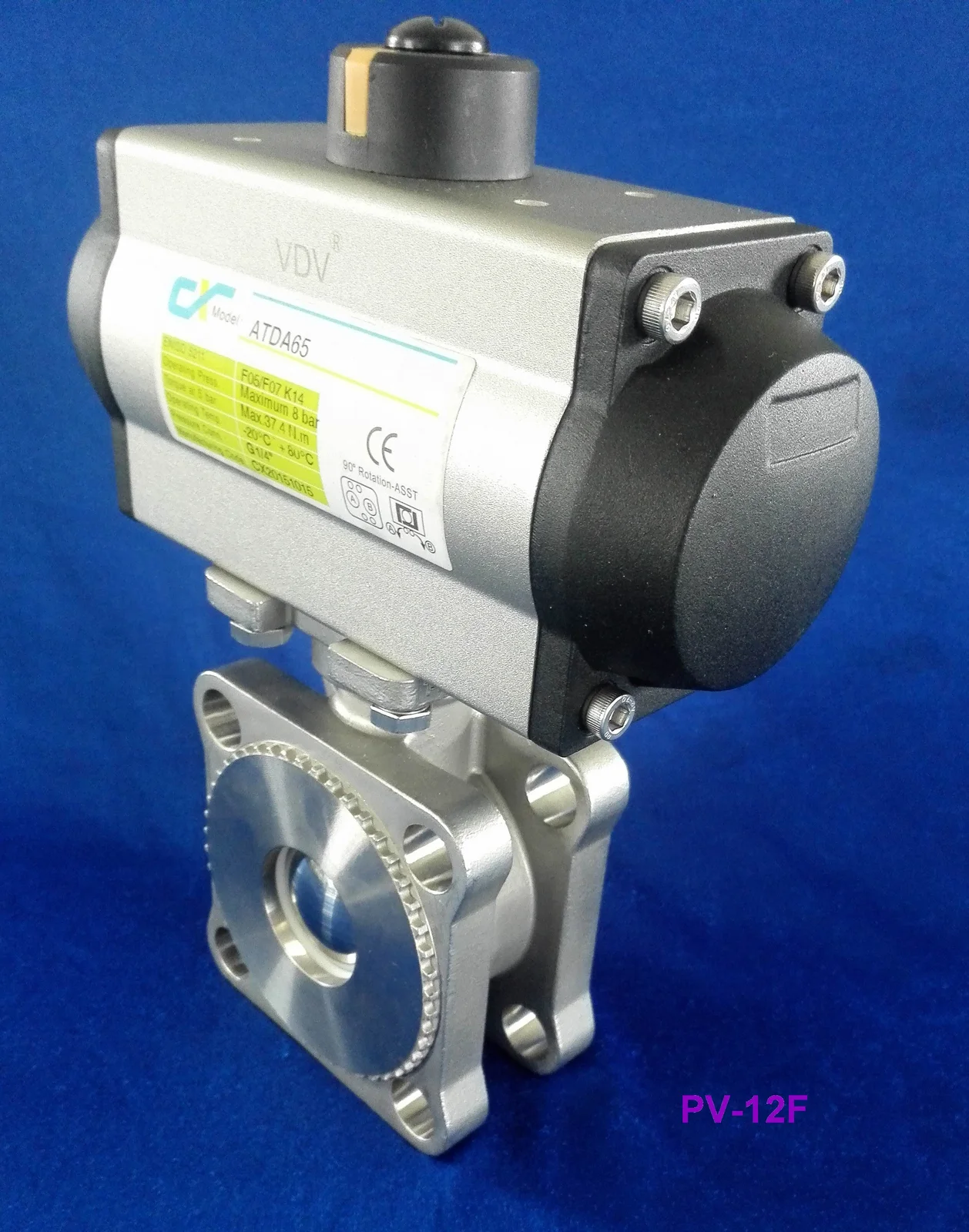
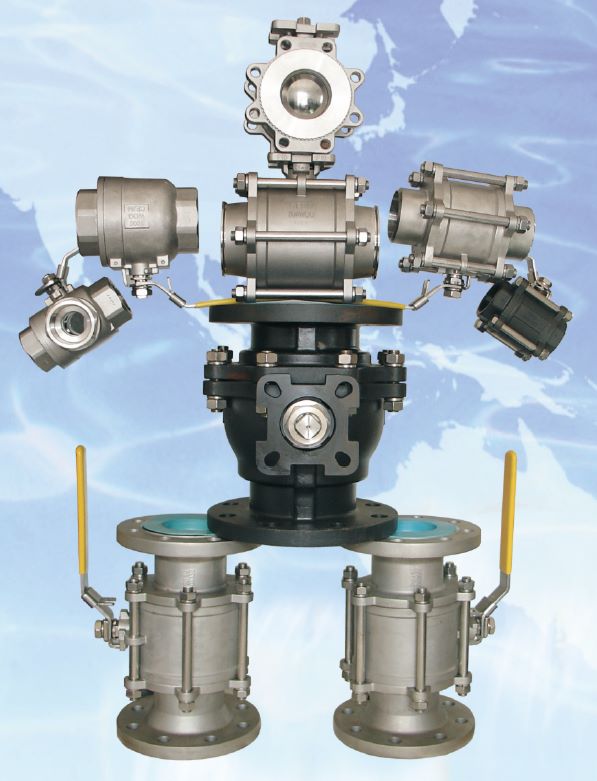
The VDV program is intended not only for direct valve supply but also for OEM, distributor and private-brand development. A program can start from an existing ball, butterfly, check or strainer platform and then adapt materials, end connections, actuation, marking, documentation and packaging. Where the application requires a substantially different pressure boundary or flow geometry, our investment-casting and CNC resources can also support custom valve components.
Private-brand scope
Brand presentation can include cast or engraved markings, handles, actuator labels, nameplates, packaging and controlled documentation. The technical scope can include body/trim materials, seat system, port arrangement, connection standards, stem extensions, automation accessories and inspection or pressure-test records. Availability depends on the selected valve family and required volume.
Engineering control before branding
A private-label valve should not become only a cosmetic relabeling exercise. Target-market standards, pressure/temperature limits, materials, media compatibility and shutoff requirements must remain traceable to the configuration. We prefer to freeze a controlled product matrix—size, pressure class, body/seat combination, connections and actuation—before artwork and packaging are finalized.
Pilot lots and range expansion
For a new program, a focused pilot range is usually easier to validate than launching every possible combination. Samples or pilot lots can confirm fit, operation, marking, documentation and packaging. Once the commercial range is stable, additional sizes, alloys or automated variants can be released under the same control structure.
Information for an OEM program review
Send the target market/country, applicable standards, valve family, size and pressure range, media/temperature, materials, end connections, manual or automated operation, annual volume, brand/marking requirement, certificates, test documentation and packaging expectations. If you already have a competitor or legacy valve to replace, drawings, dimensions and performance requirements help us separate true interchangeability requirements from features that can be optimized.