Component-focused process review
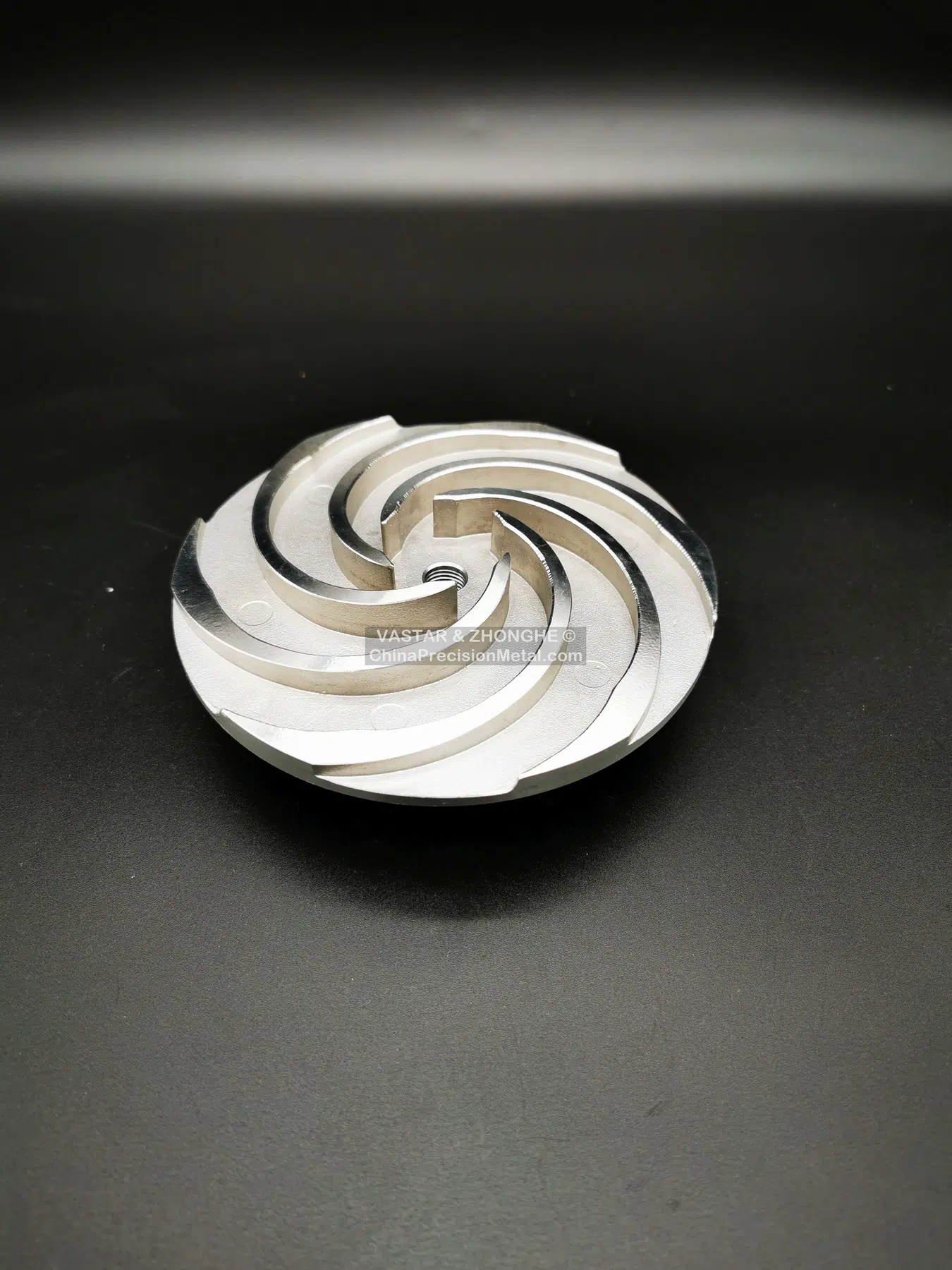
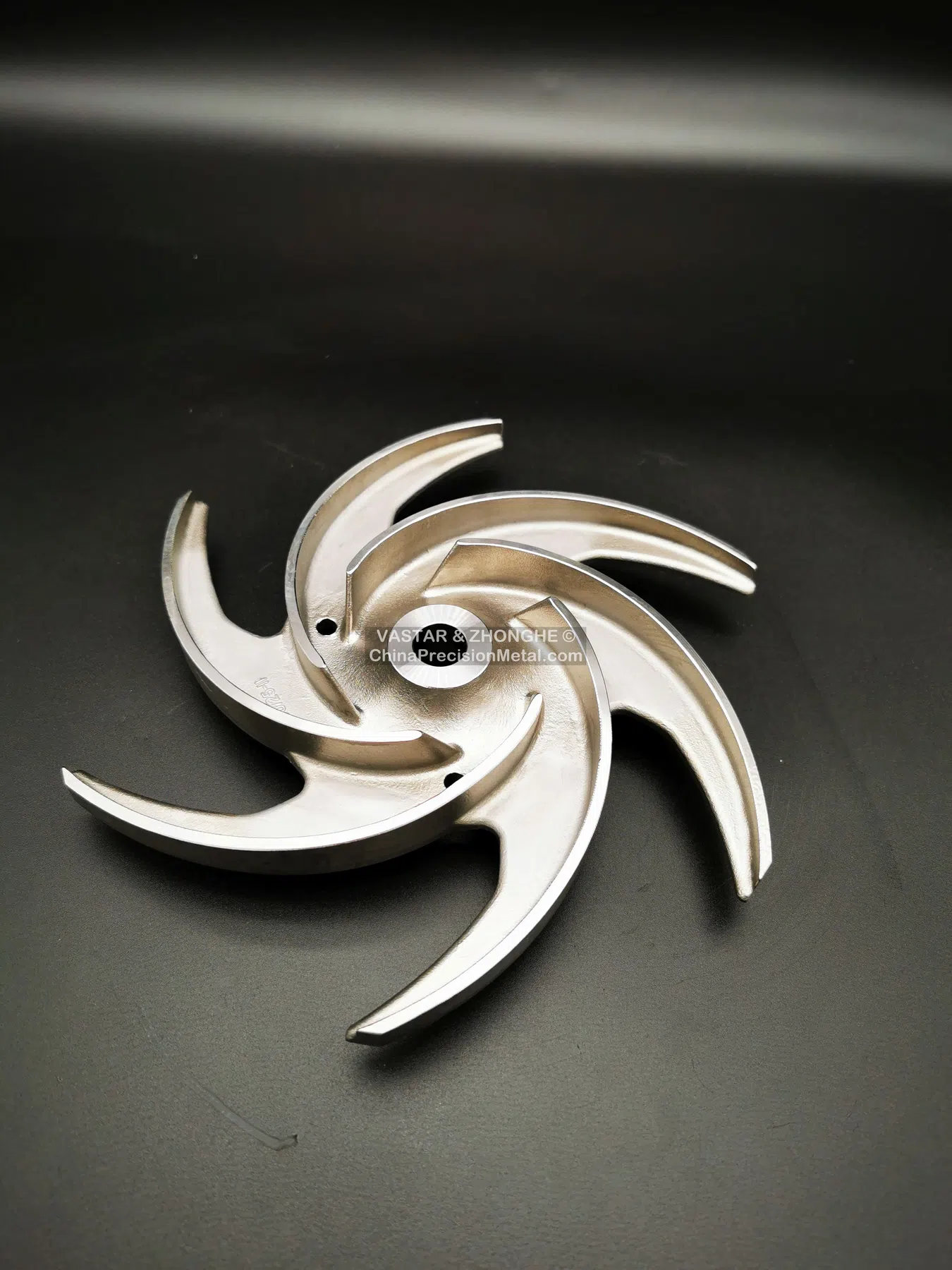
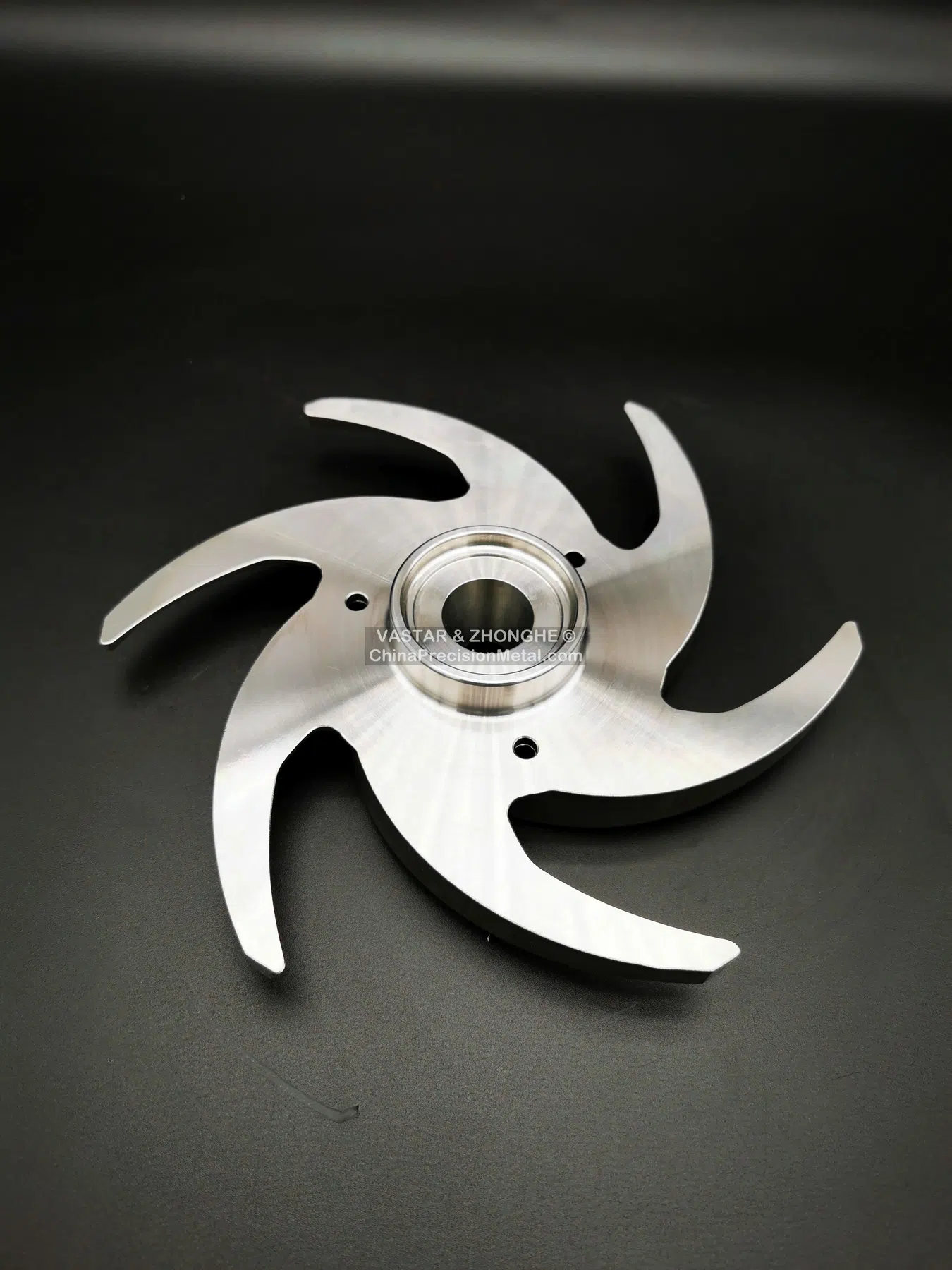
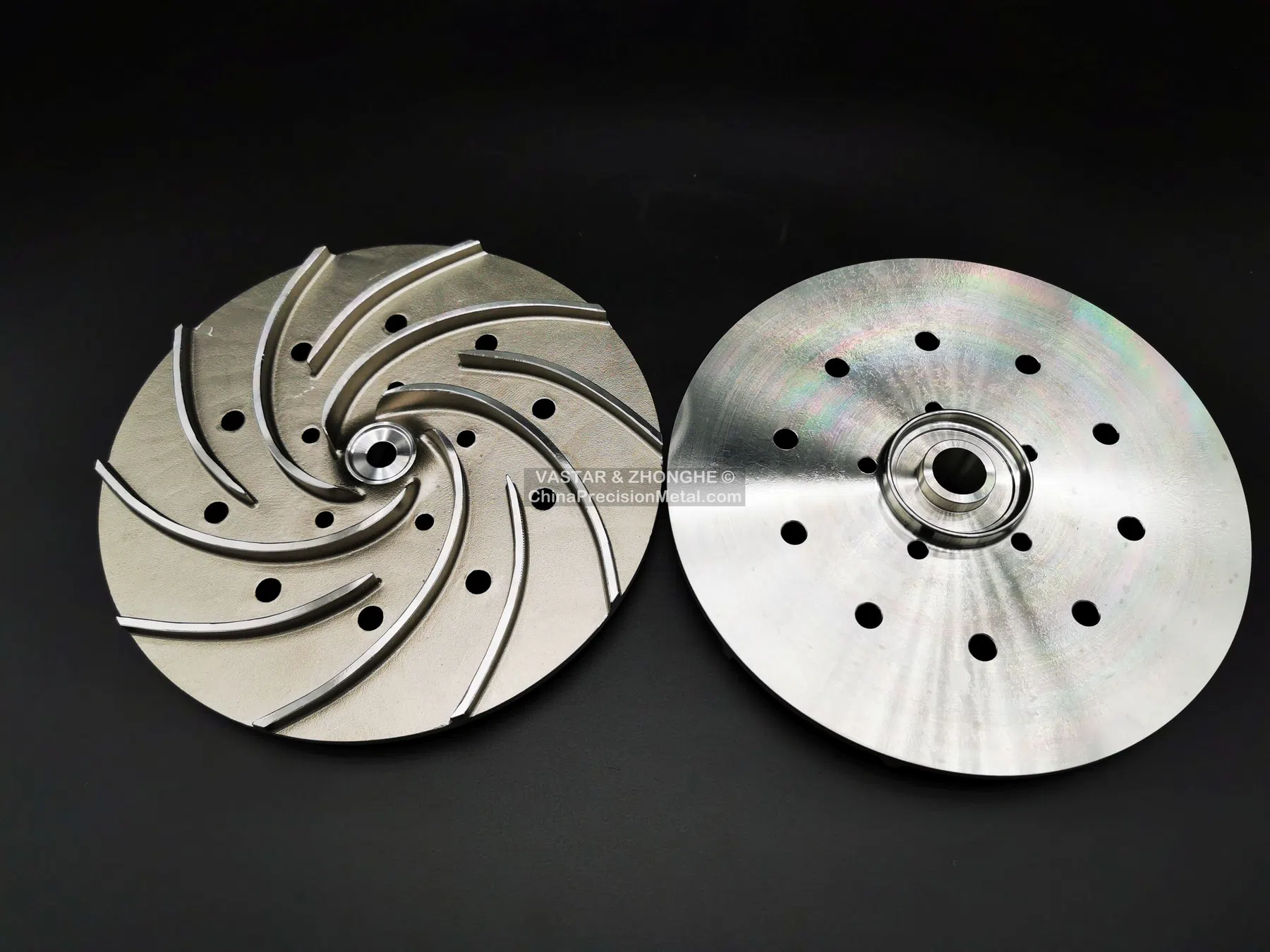
Impellers and diffusers depend on repeatable vane geometry, hub relationships and cleanly machined interfaces. Near-net investment casting reduces material removal around complex blades, while CNC machining establishes bores, faces, key features and inspection datums.
Common purchasing priorities
- Vane profile, thickness and casting accessibility
- Hub, bore and mounting-face datum relationships
- Alloy and corrosion or erosion exposure
- Surface condition in flow passages
- Static or dynamic balance requirements, operating speed and balancing condition
- Inspection method for hard-to-reach geometry
Integrated supply
Casting, machining, localized finishing and in-house static or dynamic balancing can be planned as one route for suitable parts. Balance acceptance is tied to the drawing, operating condition or agreed balancing requirement, while rotating geometry and machined interfaces remain tied to the same datum strategy.
Start with the application
Include the operating medium, rotational speed, static/dynamic balancing requirement, balance grade or permissible residual unbalance where specified, the condition in which the part is to be balanced, critical vane dimensions and the mating shaft or hub geometry.
Procurement language for rotating flow parts
Common RFQs include impellers, diffusers, rotating flow parts, cast + machined impellers and second-source programs. State the operating speed, balance condition, annual demand and release size together with the controlled drawing.