What hygienic-equipment buyers usually specify
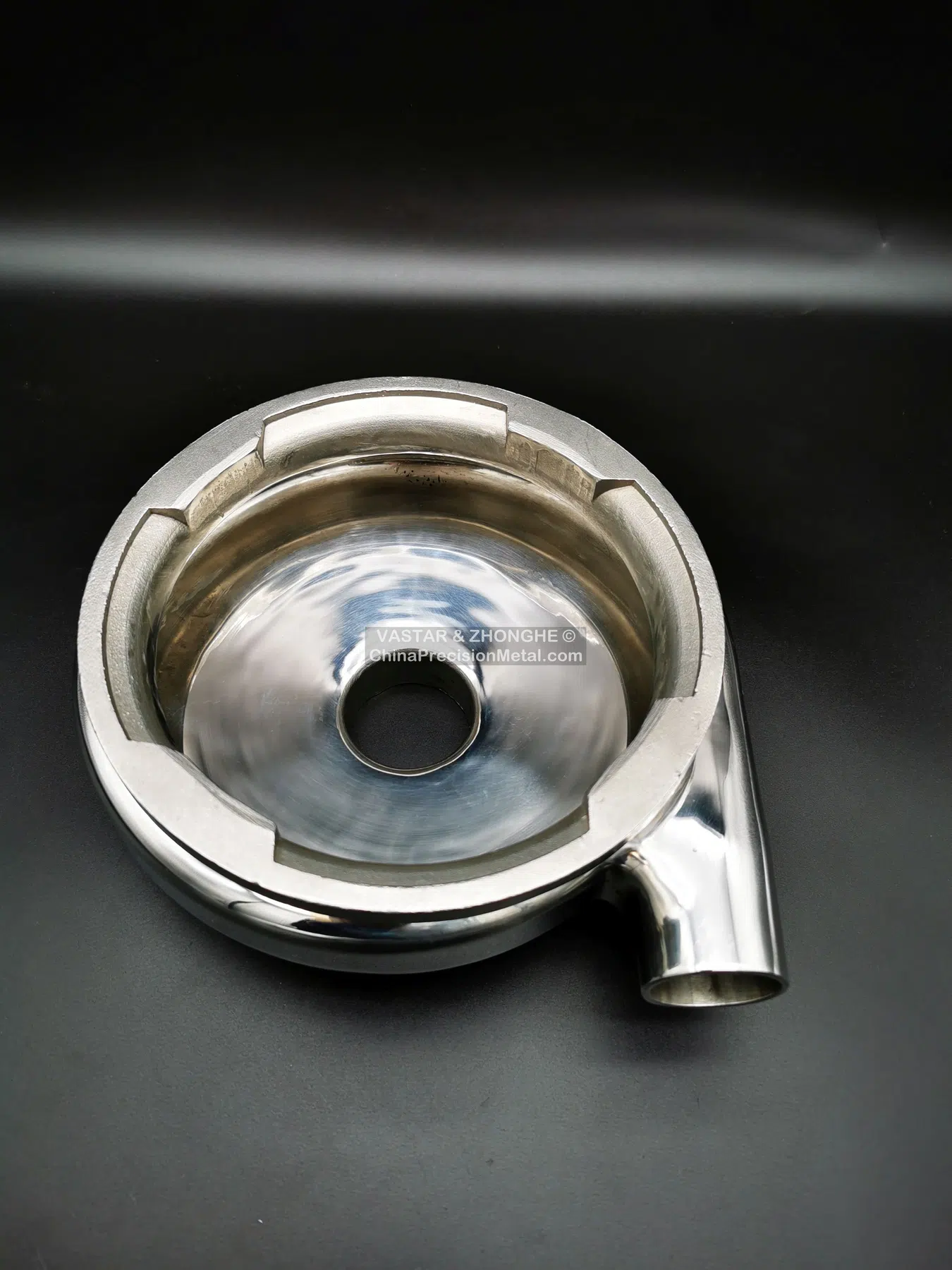
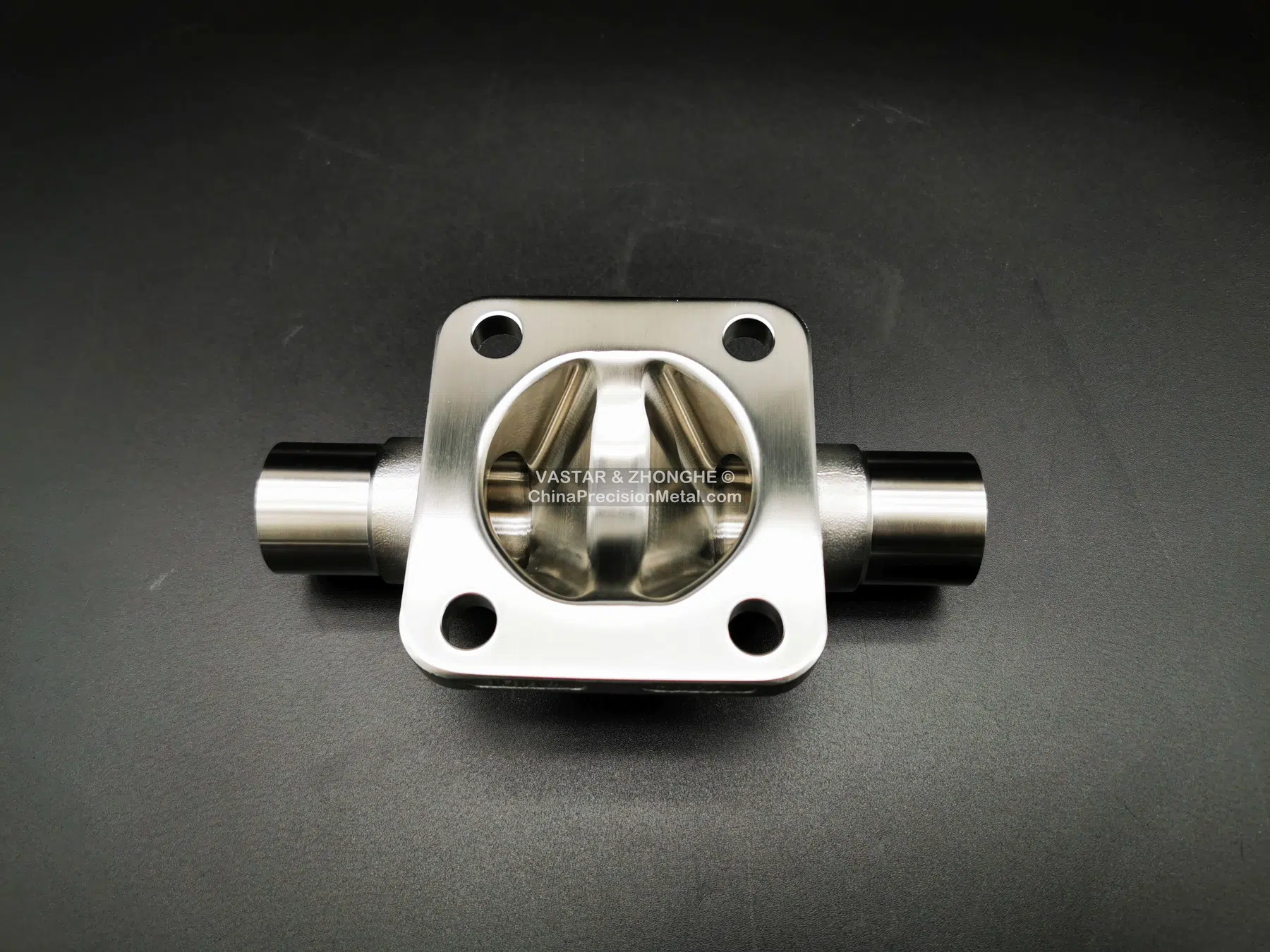
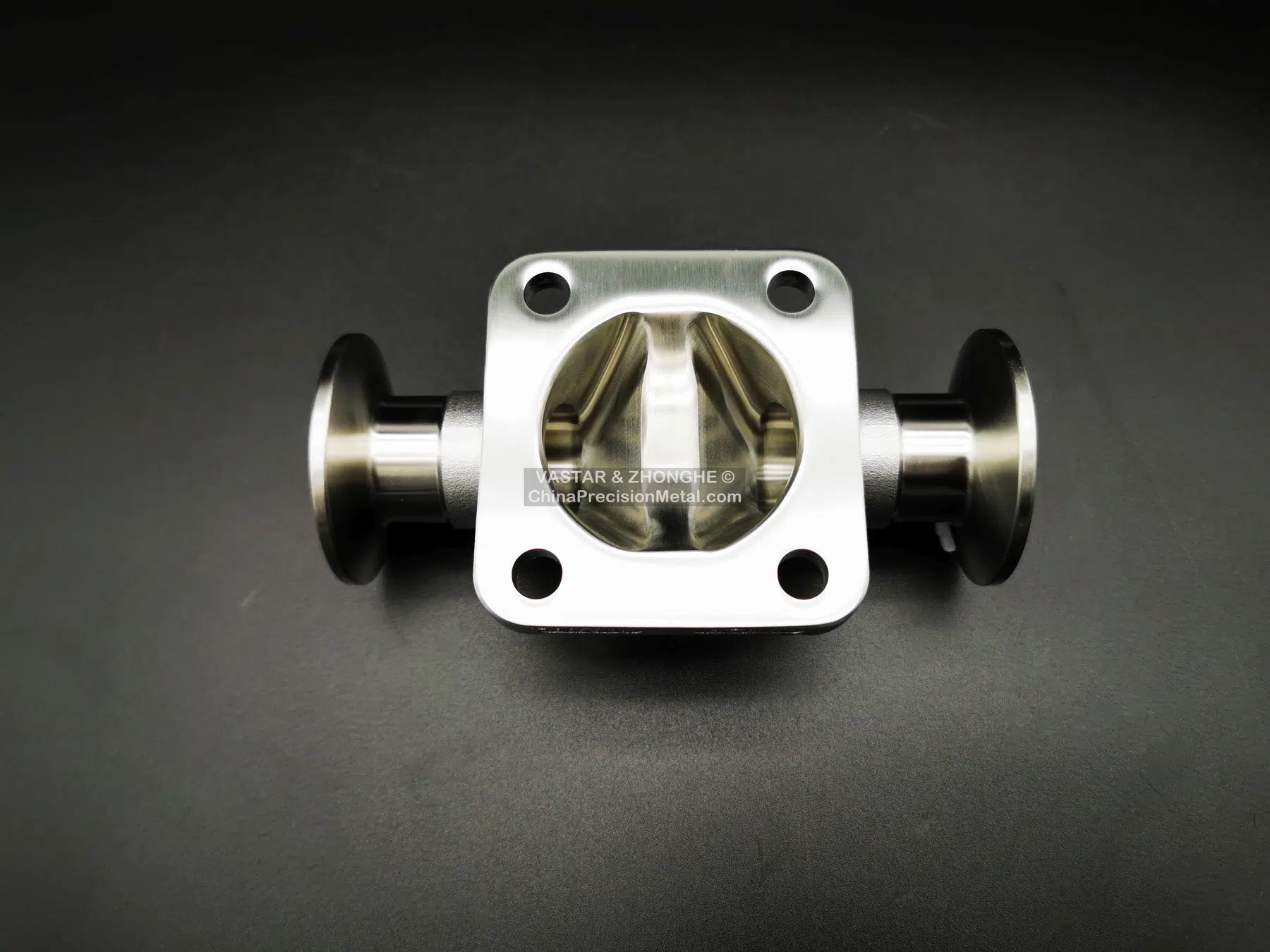
Sanitary and hygienic programs combine dimensional accuracy with controlled product-contact surfaces. Typical sourcing language includes hygienic stainless components, product-contact parts, Tri-Clamp / sanitary connections, polished flow components, passivated parts and electropolished components.
Cast geometry, machining stock, polishing access and any electropolishing allowance should be reviewed together before production.
Common purchasing priorities
- Product-contact versus non-product-contact surface definition
- Alloy, corrosion duty and cleaning chemistry
- Tri-Clamp / sanitary connection geometry and mating interfaces where used
- Surface roughness and polish direction by zone
- Internal radii, transitions and access for finishing
- Passivation or electropolishing requirements
- Material certificates, traceability and inspection records when specified
Integrated supply
Investment casting, CNC machining, mechanical polishing, passivation or electropolishing and surface inspection can be coordinated so dimensional and hygienic requirements do not conflict. The goal is a finished component, not a polished casting that still needs another supplier to establish critical interfaces.
Repeat families and HMLV
Sanitary OEM programs often contain families of related part numbers rather than one high-volume geometry. We support smaller repeat lots and controlled revisions across those families, with blanket-order or scheduled-release structures available for stable demand.
Start with the application
Identify wetted surfaces, process media, cleaning / sterilization method, connection standard, roughness target, polish / electropolish scope, annual quantity and any documentation required with the shipment.