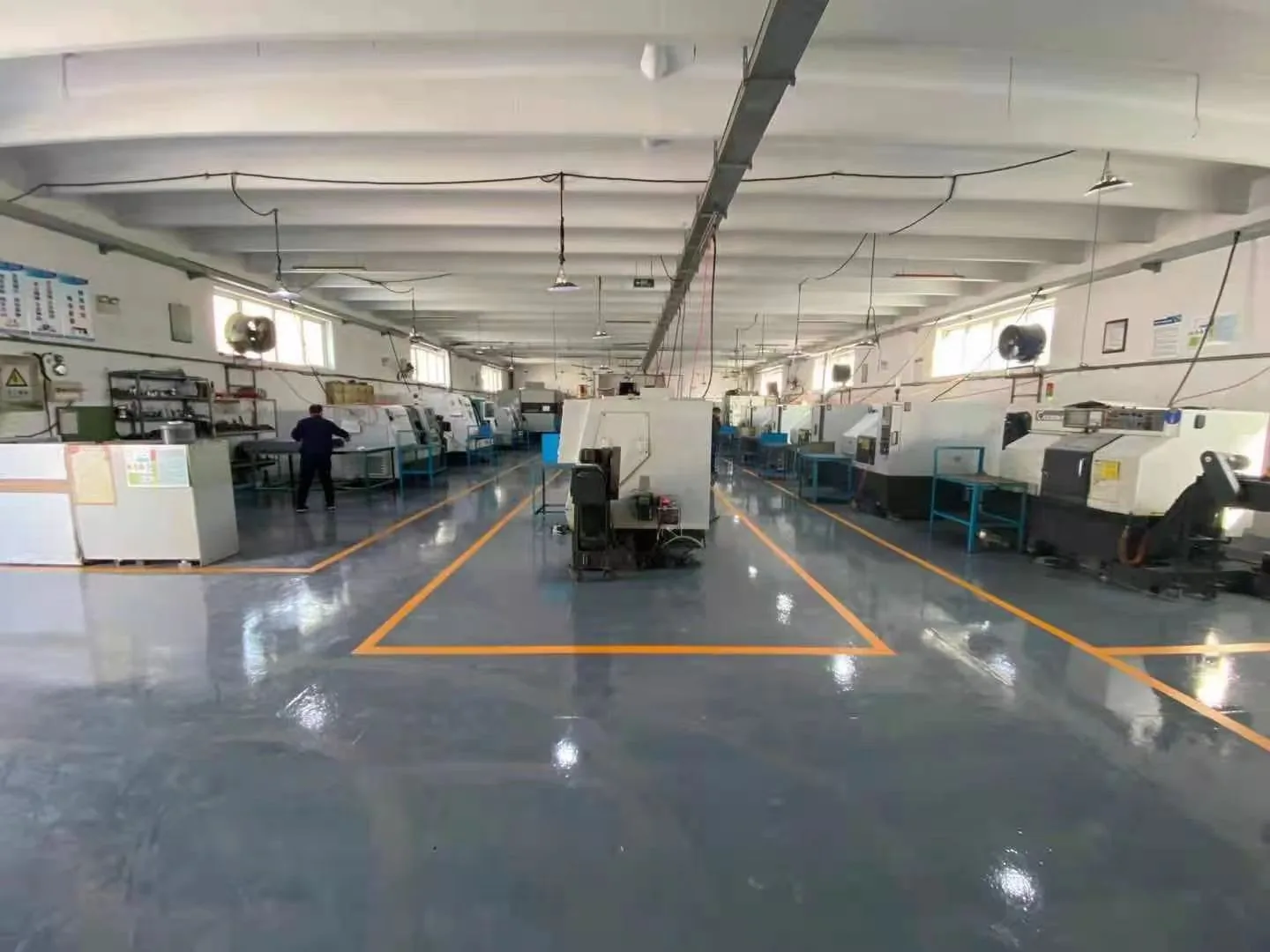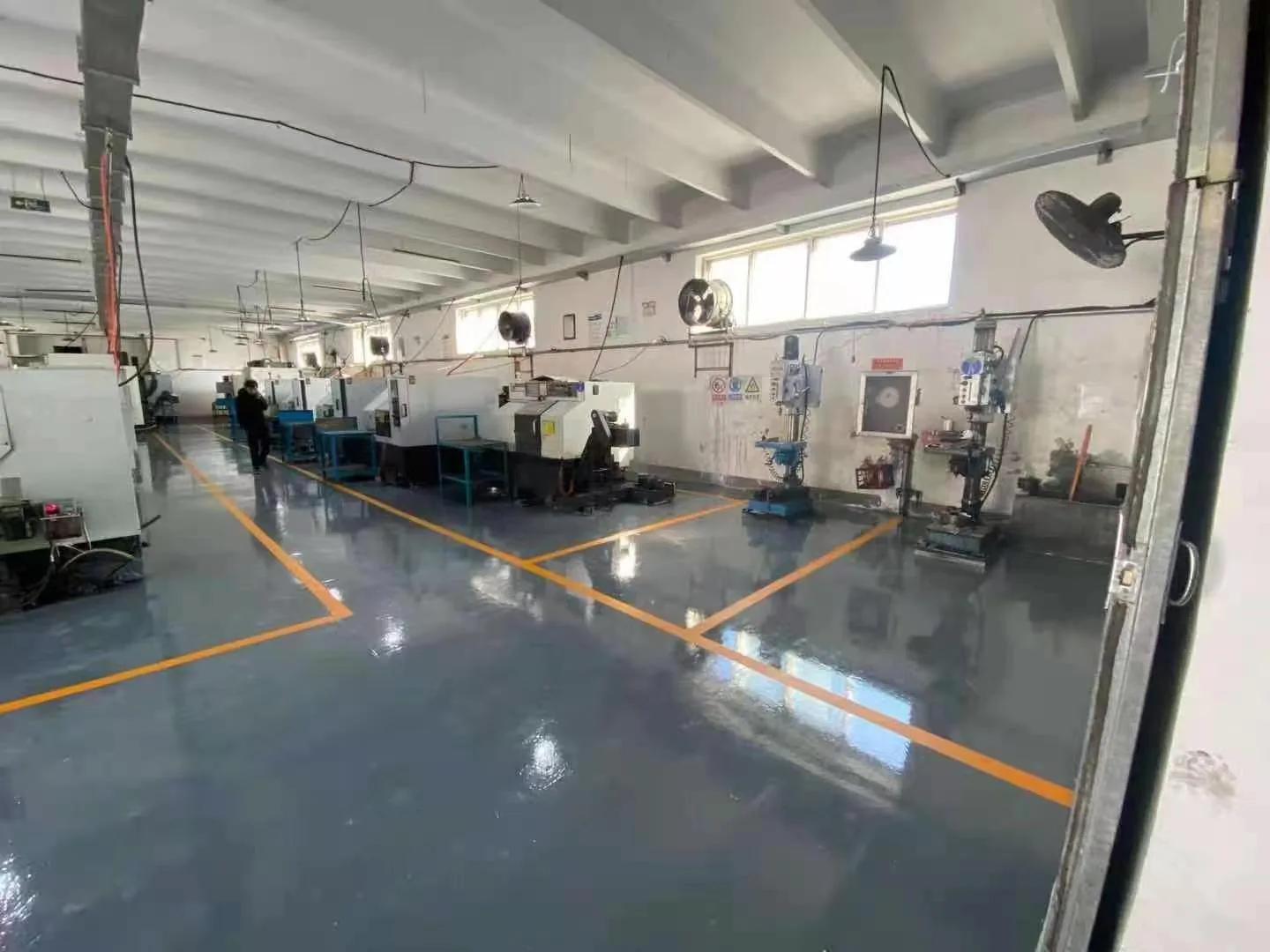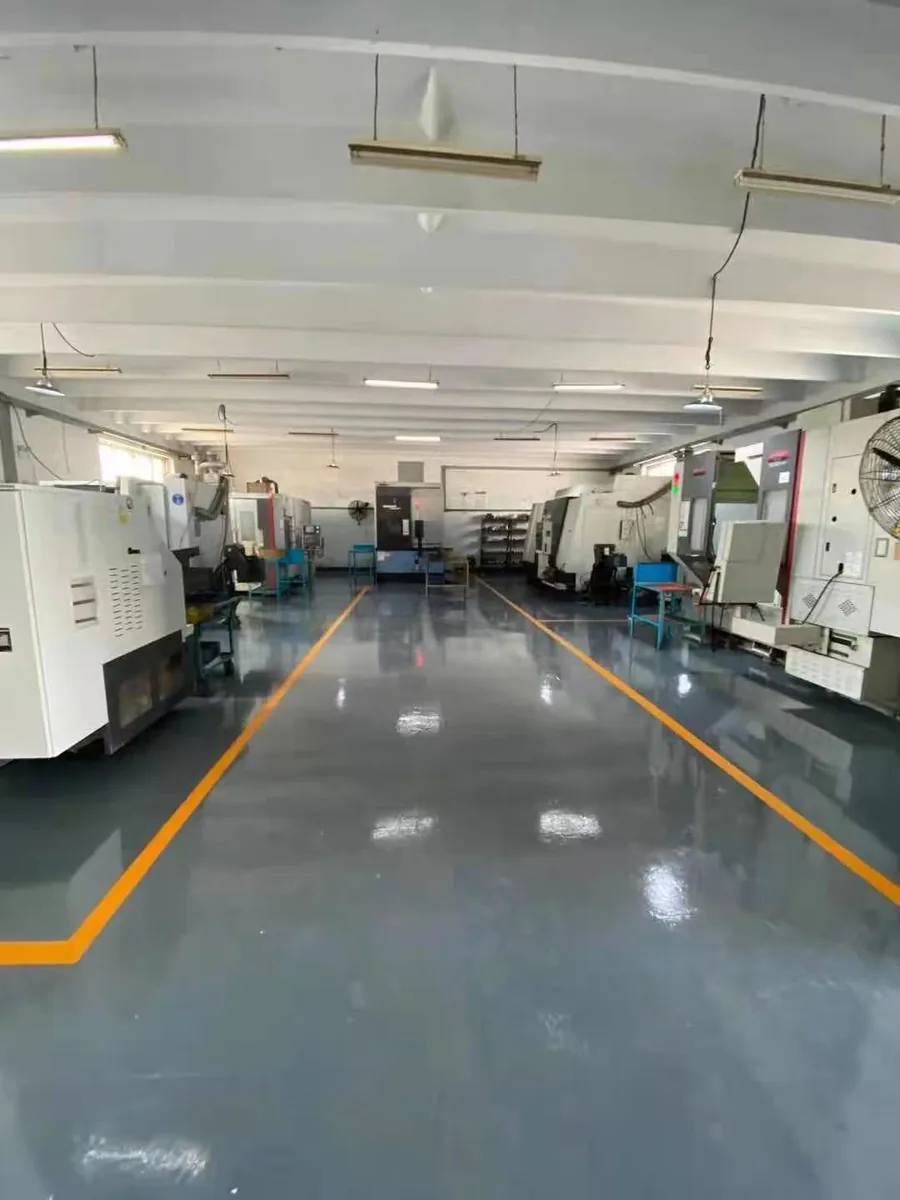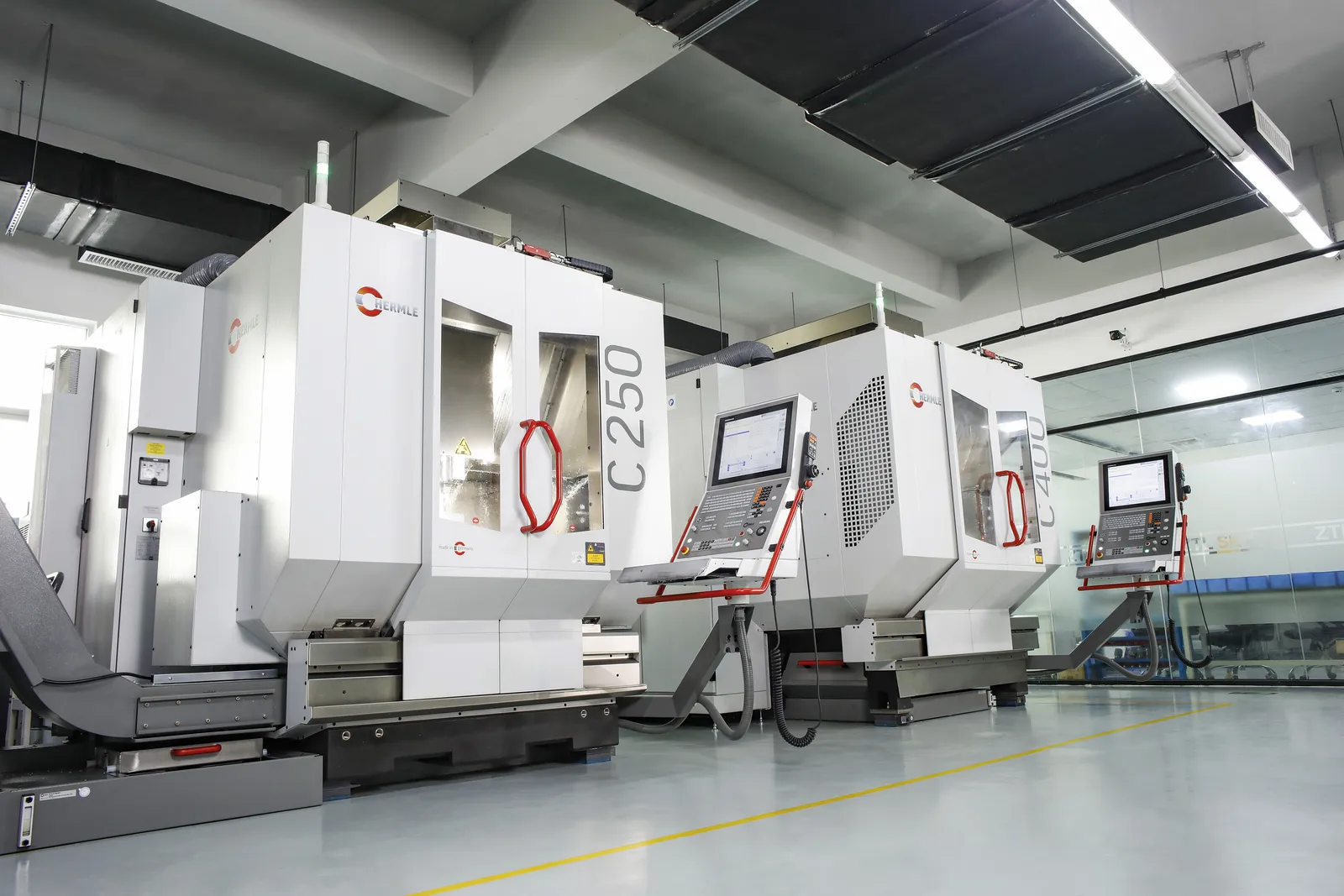
40+ CNC machines
Our machining capability includes more than 40 CNC machines, lathes, turn-mill equipment, 3-axis, 4-axis and 5-axis machining centers, HMCs and VMCs. The CNC fleet includes machines from Mazak, Doosan, Quaser, Goodway and Victor Taichung.
The broader equipment base includes grinders, tapping and drilling machines, sinker EDM and wire EDM / wire cutting. The actual route is selected by geometry, material, lot size and verification requirements.
Machining of castings and forgings
A large part of OEM machining is not bar-stock work. Buyers send castings, forgings or near-net blanks that need critical bores, seats, threads, sealing faces, bearing fits and controlled datums finished to print.
For our own investment castings, machining stock, datum pads, fixturing access and inspection strategy can be considered before tooling release. For customer-supplied castings or forgings, we review stock condition, datum availability, distortion risk and whether the blank is suitable for the required finished geometry.
High-mix, low-volume machining
We support high-mix, low-volume (HMLV) OEM work where many part numbers, engineering revisions and smaller repeat lots must share controlled fixtures, tooling and inspection plans. RFQs should state annual demand and expected release size rather than only a one-time quantity.
Secondary operations & part conditioning
Several finishing and conditioning steps can be kept within the same manufacturing route when they are relevant to the drawing:
- Static and dynamic balancing — in-house balancing is available for suitable impellers and rotating components when specified. The RFQ should define the operating/balancing condition, acceptance requirement or balance grade, and any correction restrictions.
- Controlled laser-weld repair — localized casting discontinuities or handling/process damage can be repaired where the material, drawing, governing specification and customer requirements permit repair. Repaired areas are finished and re-inspected to the agreed requirement; pressure-boundary, sealing, fatigue-critical or prohibited zones require explicit review.
- Part identification — laser and mechanical marking can apply part numbers, serial/lot identification, symbols or customer-defined patterns. Marking content, location and depth should be defined on the drawing when function or appearance is sensitive.
- Straightening / dimensional correction — press-assisted correction can be used for suitable distorted components when permitted by the material condition and drawing, followed by dimensional re-verification before release.
Materials are not limited to steel
We machine a broad range of industrial metals, plus selected plastics and hard rubber where appropriate. For quotation, specify the exact grade, temper / heat-treatment condition, stock form and any material-certificate requirement. Difficult alloys and thin or distortion-sensitive geometry are reviewed for workholding, tooling and inspection risk before production.
Second-source and capacity-overflow machining
Existing parts can be reviewed as a second source / alternate source or for capacity overflow. Include the controlled drawing, current starting form, annual volume, lot size, critical features and required inspection reports so the comparison is based on the finished component rather than cycle time alone.
Inspection and functional verification
Hexagon and Mitutoyo CMM systems support dimensional verification. Roughness measurement, material verification, pressure / leak testing and specified assembly checks can be added when relevant to the drawing.
Information that improves quotation accuracy
- Native 3D model and controlled 2D drawing
- Material specification, heat-treatment condition and starting form
- Critical-to-function dimensions and datums
- Surface roughness requirements
- Annual quantity and expected lot / release size
- Inspection-report, pressure-test and assembly requirements
- Re-sourcing objective if this is a benchmark, second source or capacity-overflow RFQ
See real CNC-machined parts
Browse the machining section of our real manufacturing gallery
Customer result: machining inside a coordinated route
In the same Wisconsin pump-housing program, design and manufacturing-route changes across casting, machining and polishing reduced recurring manufacturing cost by approximately 10%. The saving belongs to the integrated program rather than to CNC machining alone. Read the case study
Buyer language we support
Common RFQs include machining of castings, machining of forgings, fully machined castings, critical bores / seats / threads / datums, HMLV machining, second-source machining and capacity overflow. These phrases describe the procurement problem more accurately than a generic “CNC service” request.