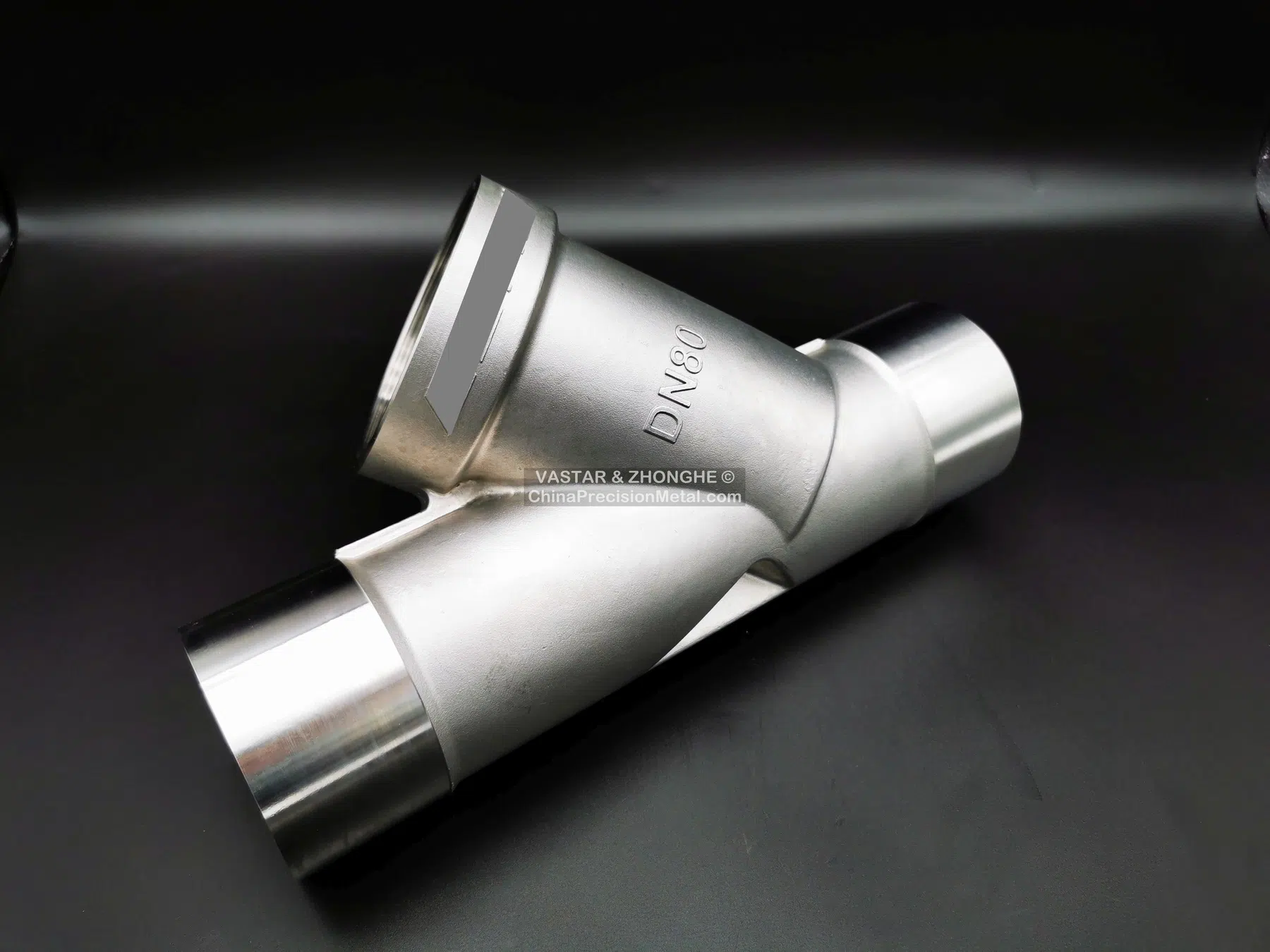
Application requirements
Chemical-processing components are usually defined by the service environment first. Media concentration, temperature, chlorides, solids and cleaning chemistry can change the appropriate alloy and inspection plan. We review those conditions together with pressure boundaries, flow geometry and the machining needed at sealing and connection interfaces.
Typical components
- corrosion-resistant pump and valve bodies
- impellers, diffusers and flow-control components
- process-equipment housings, fittings and brackets
- machined sealing, flange and threaded interfaces
Engineering priorities
- Process chemical, concentration, temperature and contamination risk
- General, pitting, crevice or erosion-corrosion exposure
- Pressure integrity, wall transitions and leakage requirements
- Alloy verification, NDT, passivation and traceability where specified
RFQ inputs
Chemical media and concentration, normal and upset temperature, pressure, solids content, corrosion concern, alloy specification, critical sealing surfaces and required verification.
Manufacturing approach
Linking material selection, casting control, machining and final verification around the actual chemical duty helps avoid treating a corrosion-service part as a generic stainless component.