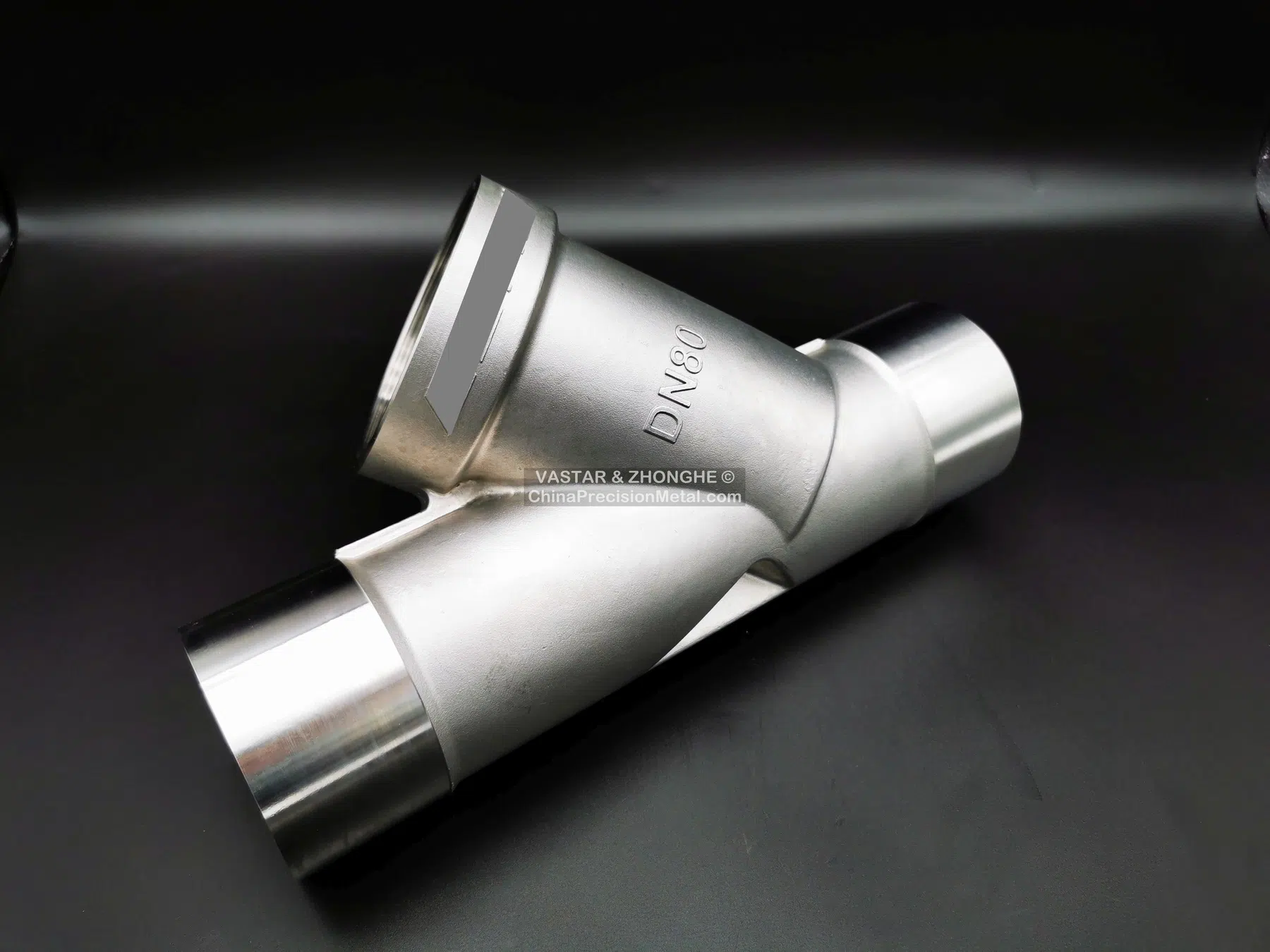
Application requirements
Oil and gas processing components can combine pressure containment, gas-tight sealing, corrosion exposure and wide operating temperatures. The manufacturing plan should therefore connect alloy condition, casting soundness, machining of sealing features and the final NDT or pressure/leak verification specified on the drawing.
The same manufacturing route also supports power-generation and broader energy equipment where pressure integrity, alloy verification and repeatable machining are critical.
Typical components
- valve and regulator bodies
- pump, compressor and flow-control components
- pressure-containing housings and covers
- machined sealing, stem, bore and connection features
Engineering priorities
- Design and test pressure, gas versus liquid service and allowable leakage
- Normal, low-temperature or high-temperature operating conditions
- Material specification, heat treatment and service-specific material requirements
- NDT acceptance, impact testing, pressure/leak testing and traceability when specified
RFQ inputs
Design pressure, test pressure, temperature range, process media, material specification, pressure-boundary classification, critical sealing features and the required NDT/test documentation.
Manufacturing approach
Coordinating casting, machining and verification helps keep pressure-boundary history and critical sealing features connected to the same controlled production route instead of splitting responsibility across multiple suppliers.