Application requirements
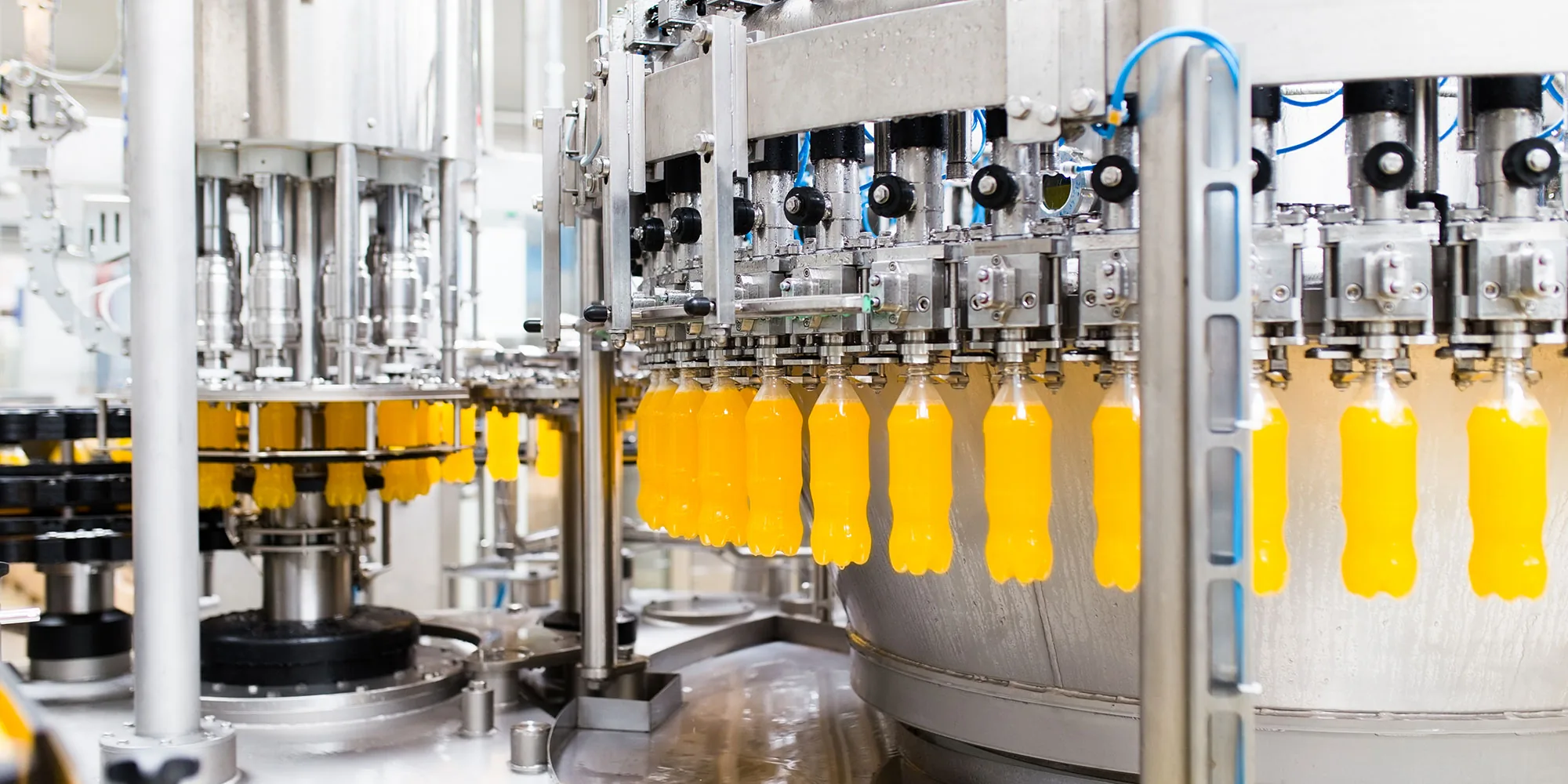
Food, beverage and dairy equipment requires more than corrosion-resistant stainless steel. Product-contact geometry, cleanability, surface condition and repeatable finishing all affect how a component should be cast, machined and polished. We review the finished drawing first so cast geometry, machining stock and polishing access are planned together.
This page also covers pharmaceutical and sanitary processing equipment where hygienic geometry, controlled surfaces and documentation are important.
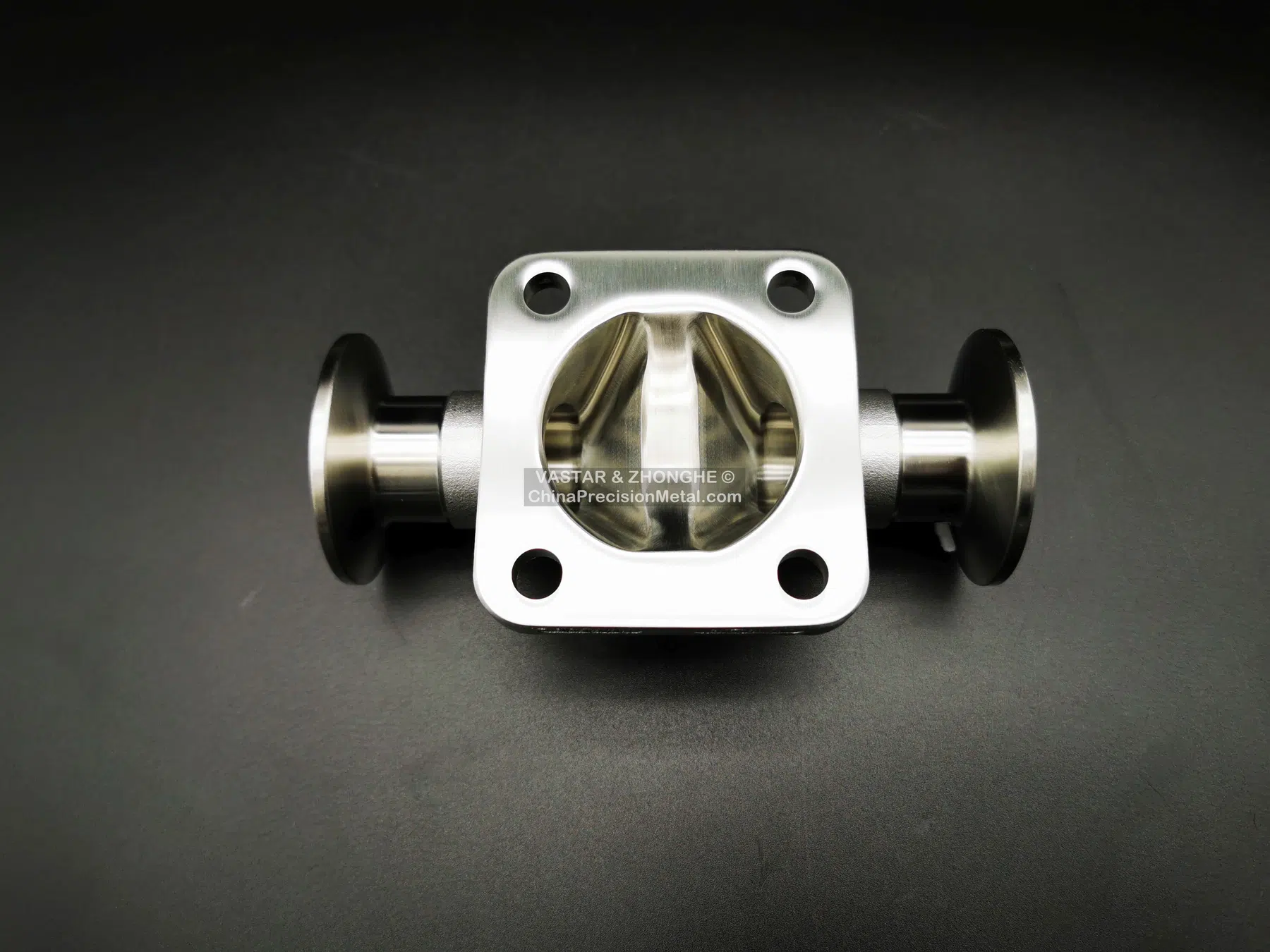
The Sanitary Flow Component machining and polishing example illustrates how cleanable transitions, machining allowance, polishing access and measurable surface-roughness checks are planned together. This is a manufacturing-process example; application-specific hygienic acceptance must be defined and verified separately.
Typical components
- sanitary pump and valve bodies
- impellers, rotors and flow components
- stainless housings, fittings and equipment hardware
- machined and polished product-contact interfaces
Engineering priorities
- Product-contact versus non-product-contact surface definition
- Surface roughness, polish direction and cosmetic acceptance where specified
- Cleaning chemistry, chloride exposure and operating temperature
- Passivation, electropolishing, material records and inspection documentation when required
RFQ inputs
Wetted surfaces, required roughness or finish, process media, cleaning method, temperature, connection geometry and any passivation, electropolishing or documentation requirements.
Manufacturing approach
A coordinated cast-to-machine-to-polish route reduces the risk that machining leaves features that are difficult to finish and helps keep appearance and cleanability more consistent from lot to lot.
Connect hygienic design with the supplied inspection records
For a food, beverage or dairy component, a polished appearance is not by itself evidence of hygienic suitability. The drawing and purchase specification must state the actual product-contact acceptance criteria.
- Mark wetted surfaces and difficult-to-clean transitions; define polishing access, allowable casting features and required roughness by surface.
- Agree material identification, cleaning or passivation scope, inspection location and report format. The linked sanitary example is a process illustration, not a certified hygienic release.
Related manufacturing pages: Sanitary & Food-Processing Components · Sanitary Flow Component · Surface Finishing
Application-specific purchasing route
Related component families
A related component family is a manufacturing reference, not proof of supply to a named sector OEM.