Application requirements
Marine components must tolerate chloride exposure while still meeting mechanical, assembly and often appearance requirements. Investment casting is well suited to sculpted stainless hardware and complex equipment parts, while machining controls threads, pins, bearing seats and mounting faces and polishing produces the specified visible finish.
Typical components
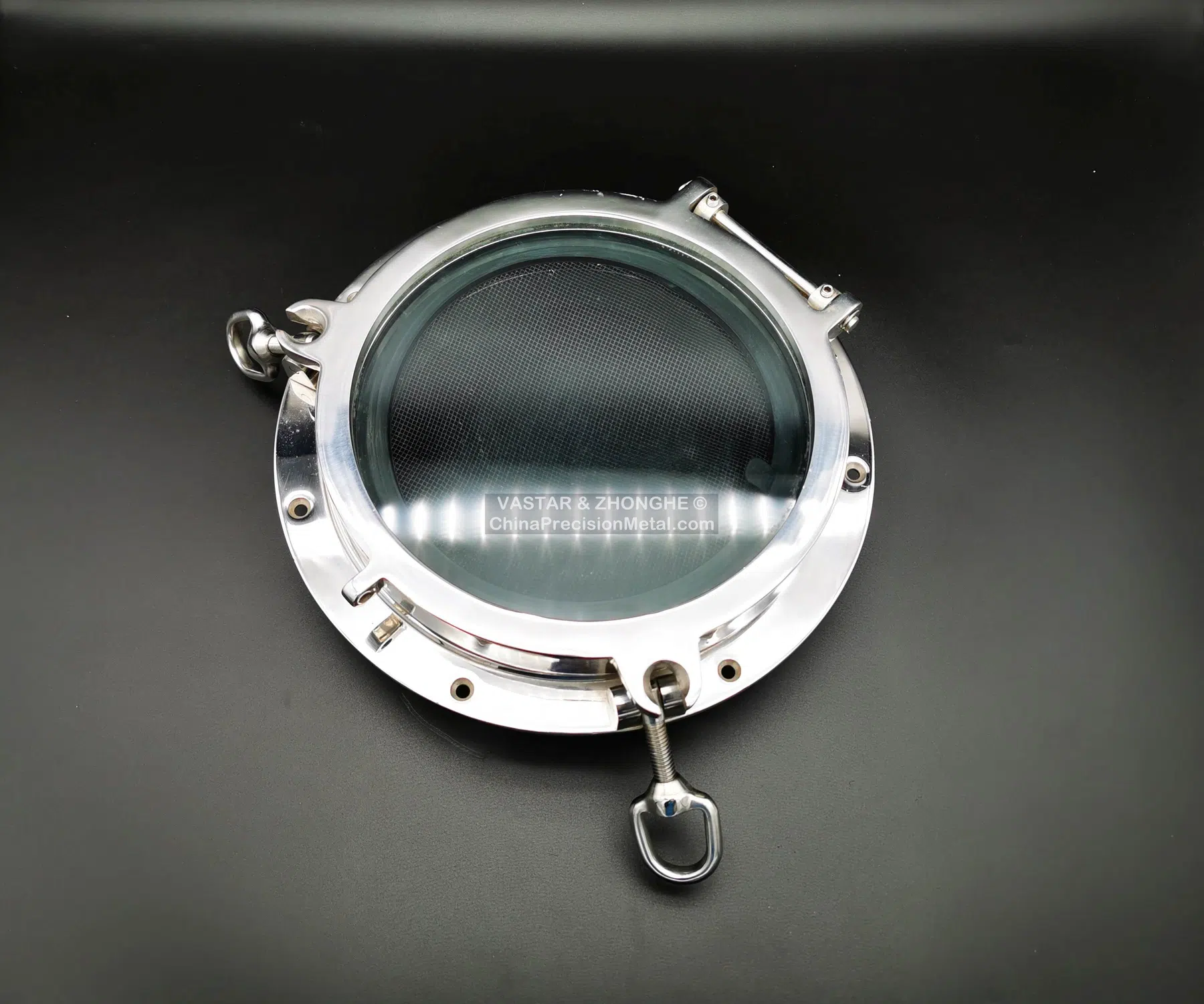
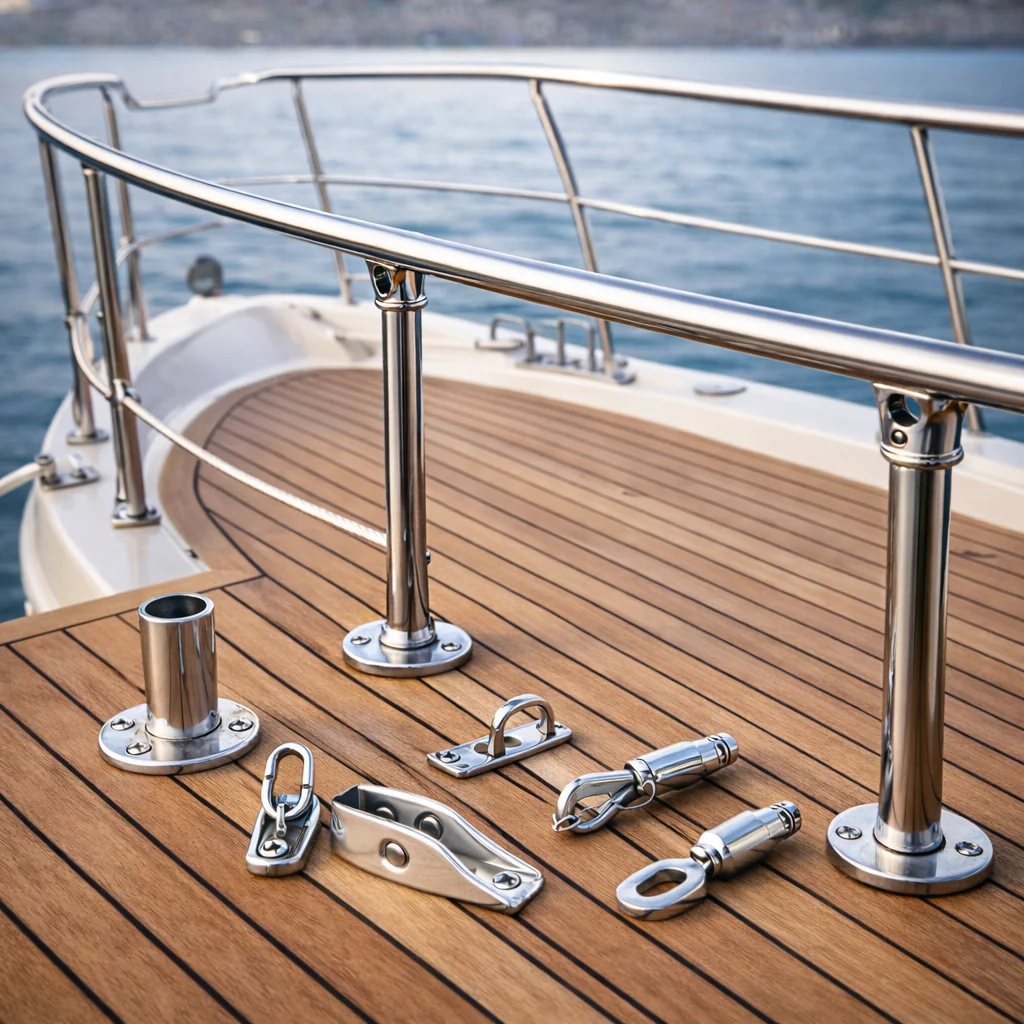
- polished deck and yacht hardware
- pump and valve components for marine equipment
- hinges, brackets, latches and mounting hardware
- machined stainless fittings and equipment components
Engineering priorities
- Saltwater, splash-zone or enclosed wet-service exposure
- Alloy selection for corrosion resistance and required strength
- Crevice-prone joints, drainage and threaded interfaces on the customer design
- Polish level, directional appearance and protection of machined features during finishing
RFQ inputs
Exposure condition, load, alloy, visible surfaces, required polish, critical fits or threads, dimensional acceptance and any corrosion or functional testing.
Manufacturing approach
Combining casting, precision machining and polishing is especially useful for marine parts where the same component has to look finished, assemble accurately and survive a corrosive environment.