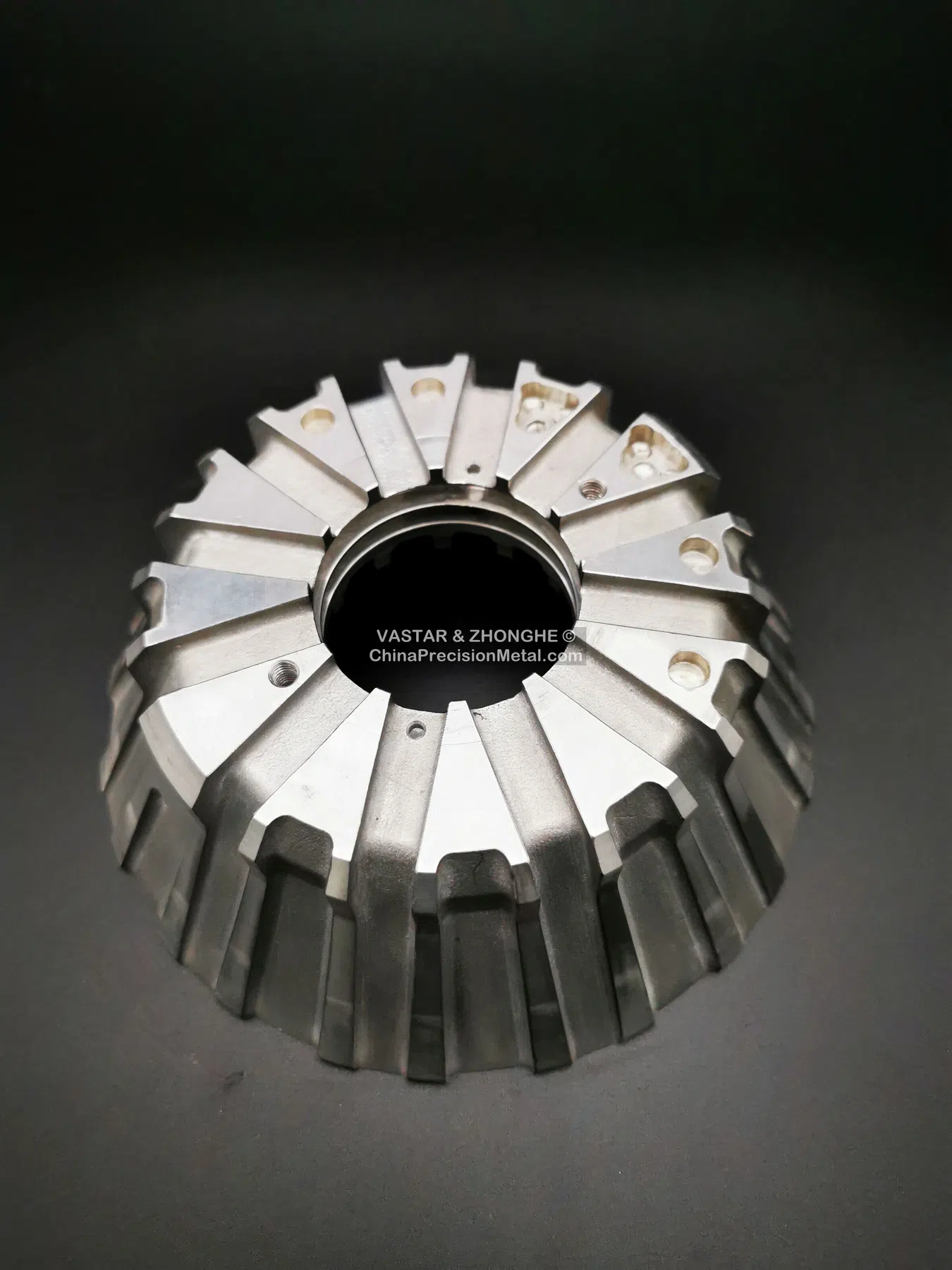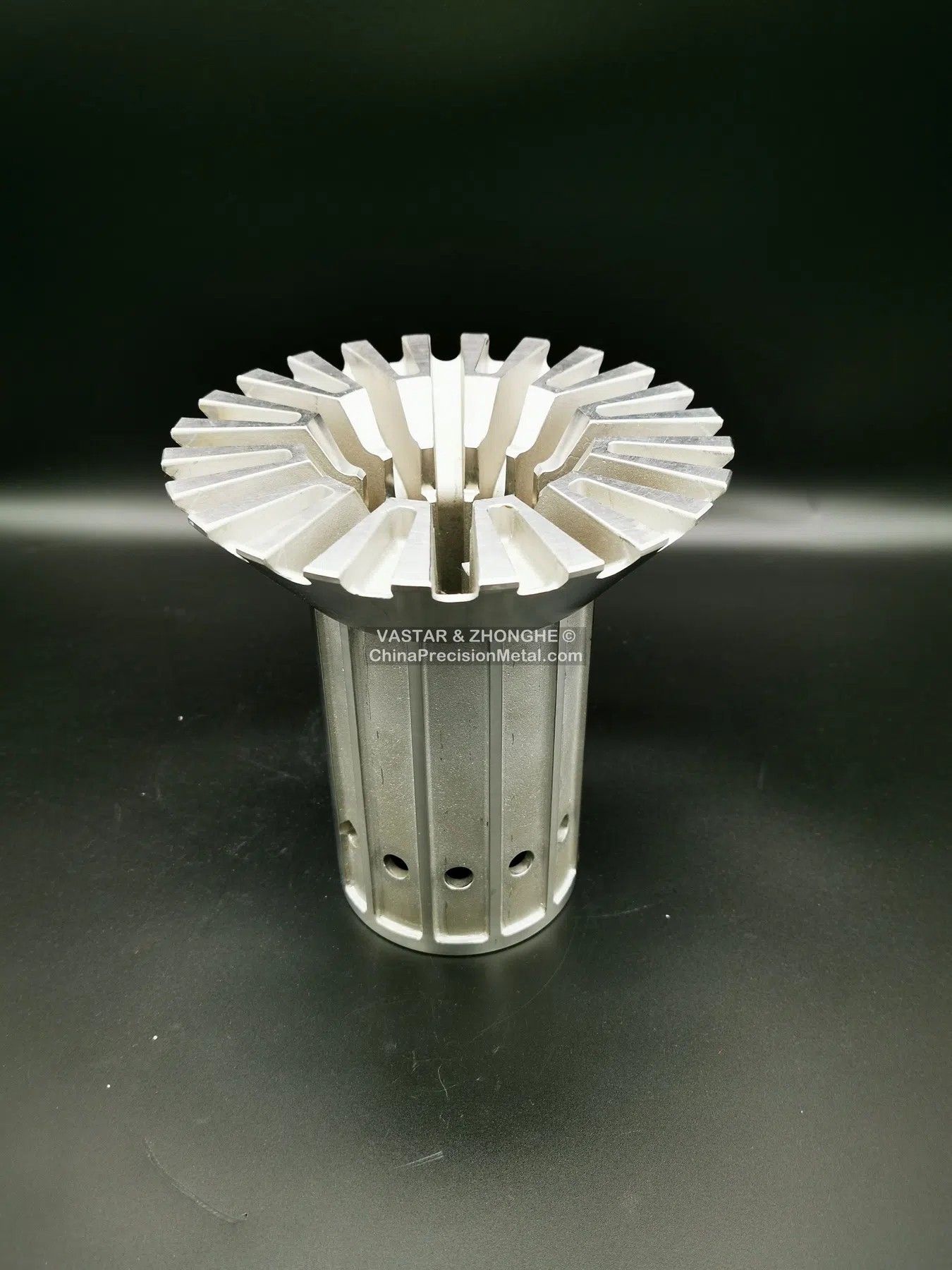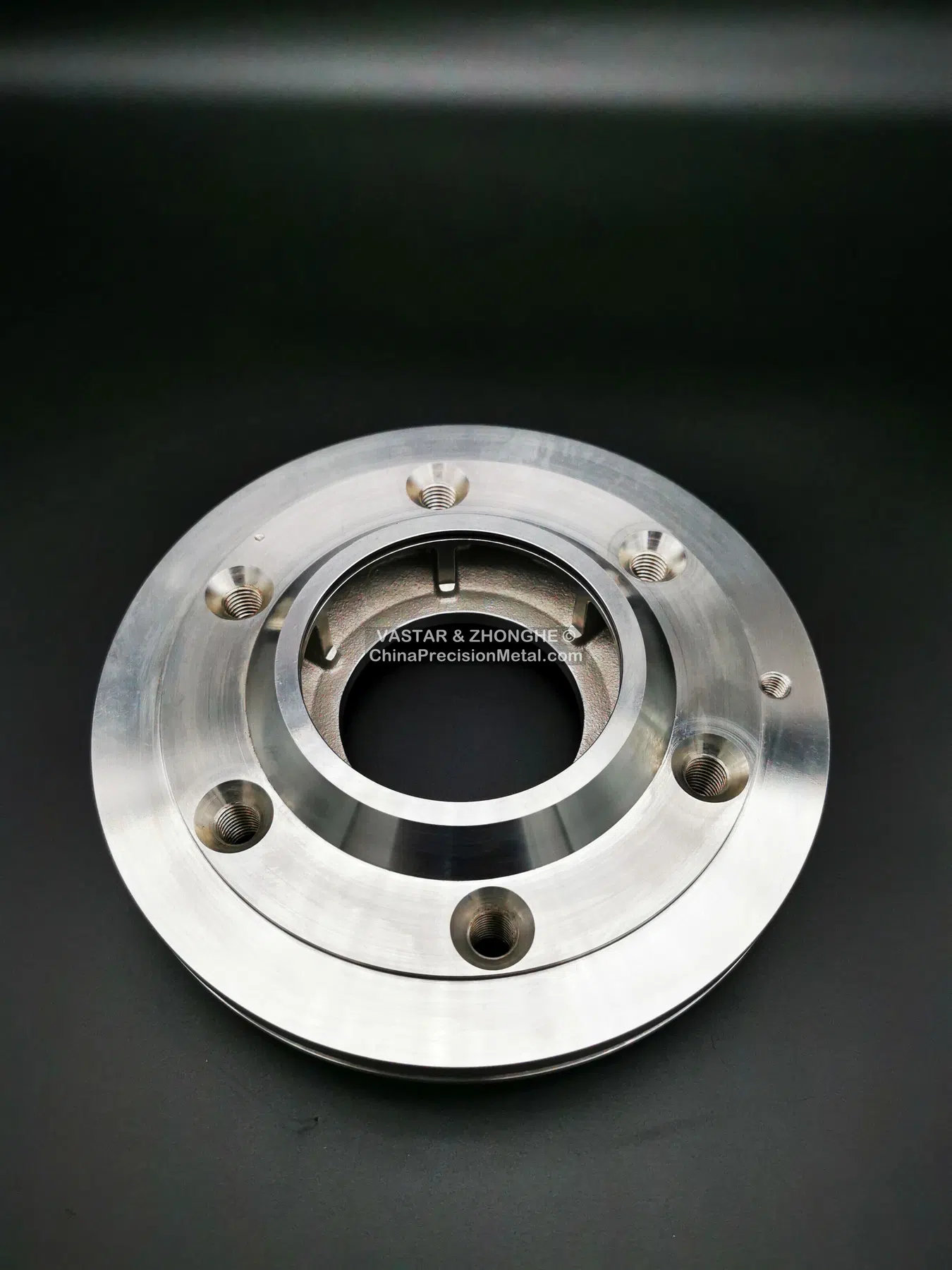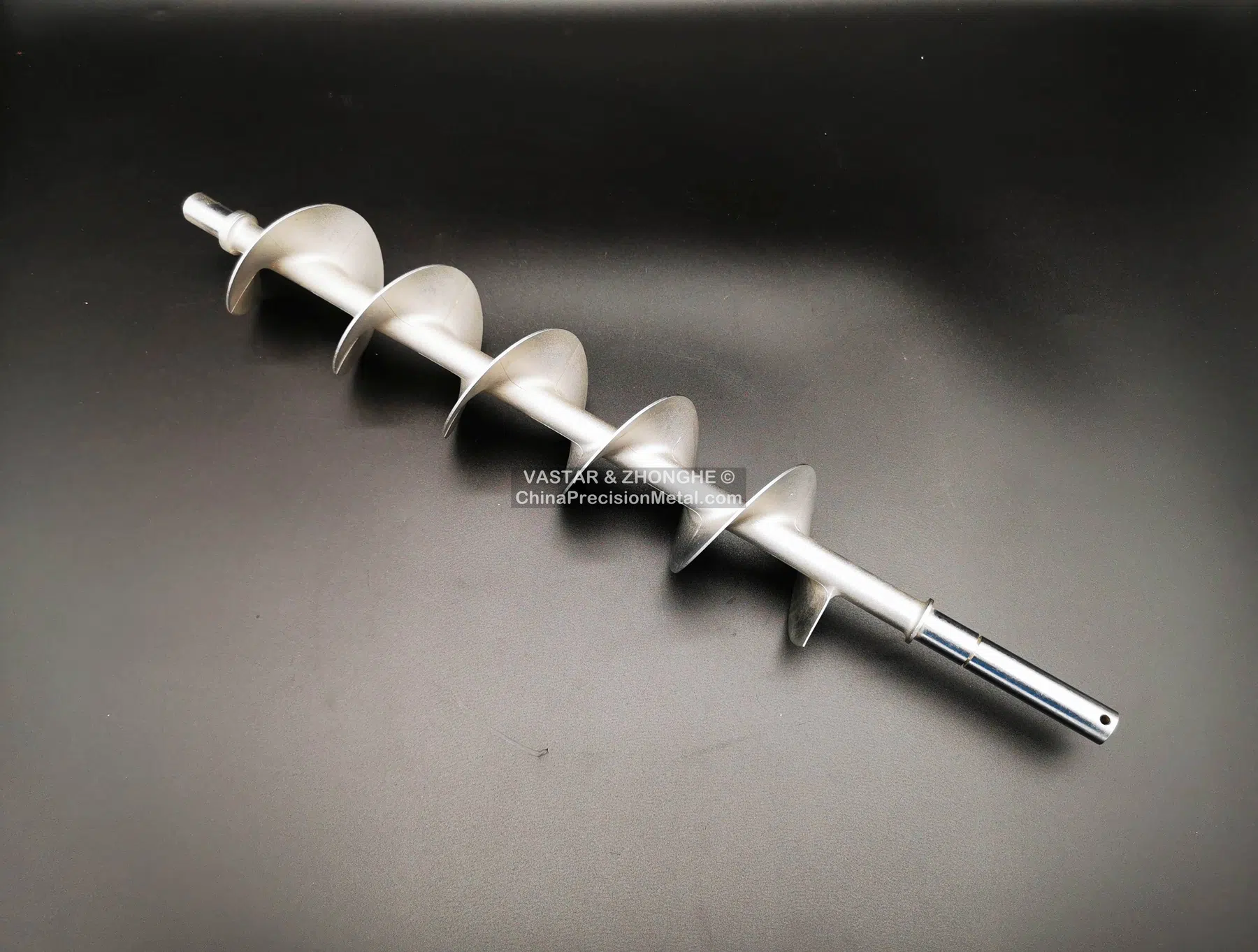
Long-part manufacturing example: Long Auger & Shaft Component shows why casting support, straightness and journal machining datums must be planned together. The example does not prove a specified runout, alloy or inspection result for another part; supply the controlled drawing and acceptance limits.
Component-focused process review
Industrial machinery components should be sourced around load path, stiffness, alignment, wear and assembly—not around a preferred forming process. We compare near-net casting and machining from stock according to geometry, volume and the amount of precision machining actually required.
Common purchasing priorities
Robot arms, grippers and moving fixtures introduce weight and repeatability constraints beyond a typical static machine component. the humanoid-robot metal-parts guide is a useful design comparison when specifying datums, material and the make-or-buy route for a new part.
- Functional loads and stiffness-sensitive geometry
- Datum scheme and assembly alignment
- Bearing, shaft, locating and mounting interfaces
- Material, heat treatment, hardness and wear surfaces
- Burr control, protective finish and assembly condition
- Annual volume, lot size and repeatability requirements
Integrated supply
Casting or stock machining, finish machining, heat treatment coordination, surface treatment and inspection can be combined around the features that control machine assembly and service life.
Start with the application
Send the mating-part information, load direction, datum structure, fits and tolerances, material/heat treatment and expected annual volume so the manufacturing route can be compared on total cost and repeatability.
Relevant project and manufacturing examples
Related examples describe manufacturing or sourcing decisions; they do not certify that the pictured product is the case-study part.