
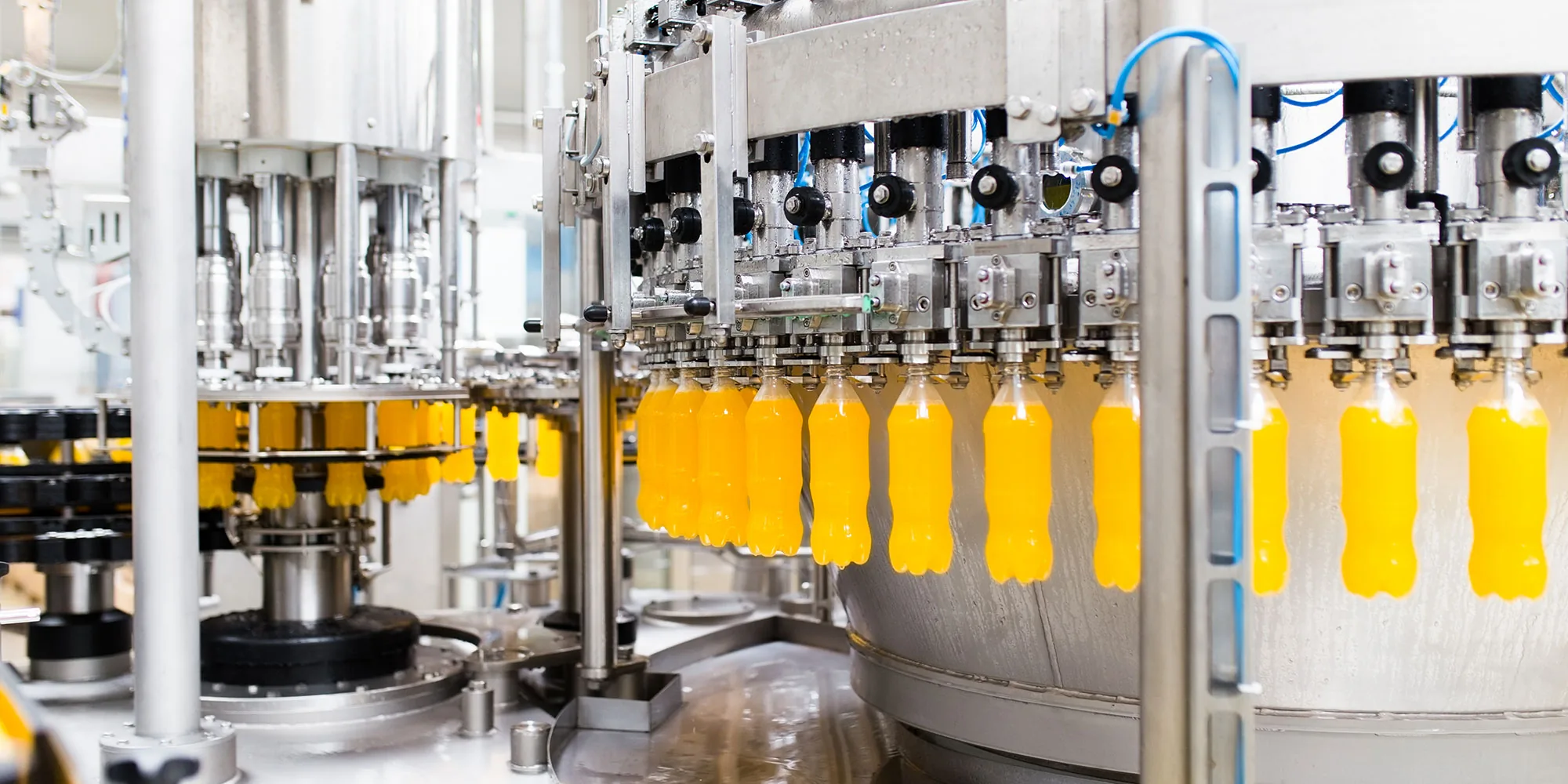
Where our manufacturing route can fit
Food, beverage and dairy equipment requires more than corrosion-resistant stainless steel. Product-contact geometry, cleanability, surface condition and repeatable finishing all affect how a component should be cast, machined and polished. We review the finished drawing first so cast geometry, machining stock and polishing access are planned together.
This page also covers pharmaceutical and sanitary processing equipment where hygienic geometry, controlled surfaces and documentation are important.
Typical component opportunities
- sanitary pump and valve bodies
- impellers, rotors and flow components
- stainless housings, fittings and equipment hardware
- machined and polished product-contact interfaces
Sourcing priorities
- Product-contact versus non-product-contact surface definition
- Surface roughness, polish direction and cosmetic acceptance where specified
- Cleaning chemistry, chloride exposure and operating temperature
- Passivation, electropolishing, material records and inspection documentation when required
What to define in the RFQ
Wetted surfaces, required roughness or finish, process media, cleaning method, temperature, connection geometry and any passivation, electropolishing or documentation requirements.
Supply-chain objective
A coordinated cast-to-machine-to-polish route reduces the risk that machining leaves features that are difficult to finish and helps keep appearance and cleanability more consistent from lot to lot.