Complete OEM ball valve versus machined body: define the order
A complete assembled valve and a cast or machined valve body are different RFQ scopes. For a complete valve, specify pressure-temperature rating, end connection, seat and stem materials, actuation, leakage test, documentation and private-label requirements. For a body-only offer, identify finished sealing interfaces and part-level verification. ASME B16.34 publisher summary sets requirements for applicable valve types; its citation does not assert conformity of every product. Compare the actual OEM supply scope using our OEM / white-label valve program.
Ball valve configurations
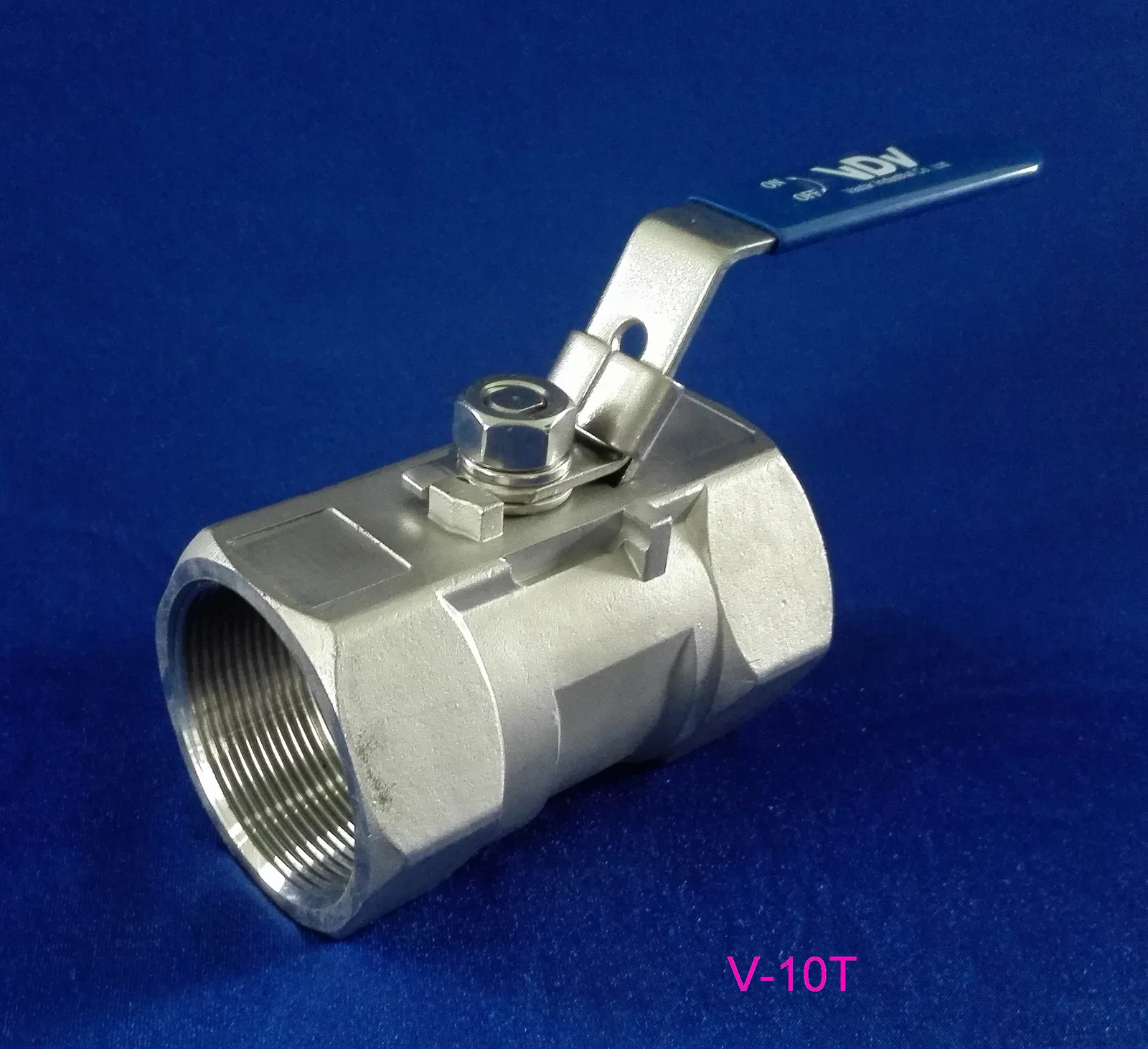
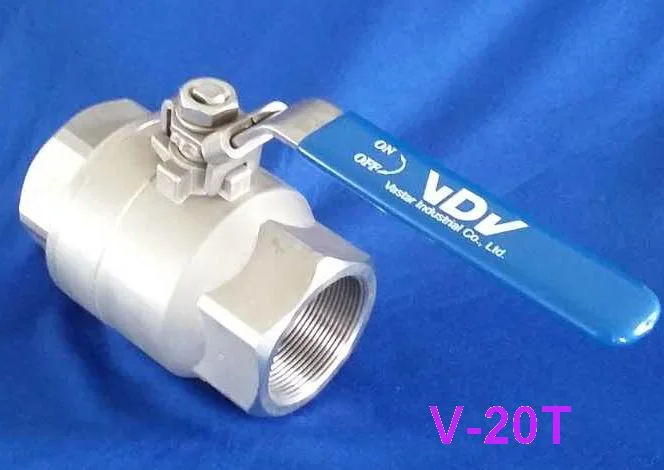
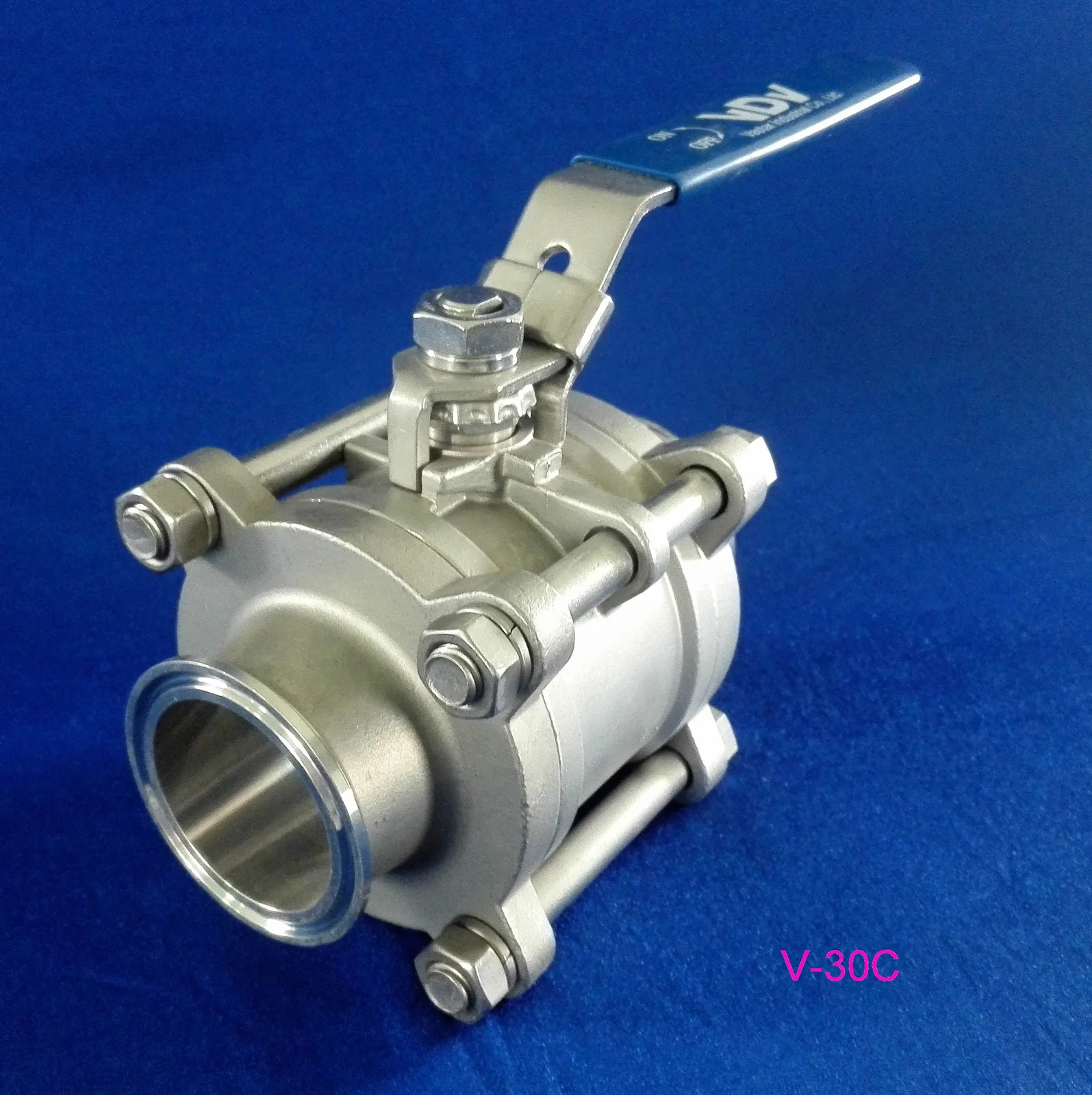
Our VDV program covers one-, two-, three- and five-piece ball-valve constructions for industrial and hygienic flow-control applications. We review the pressure class, temperature, media, cleaning method, connection standard and actuation duty before fixing the valve configuration. Selection begins with the service conditions, not with body style alone.
Program range
| Item | Options |
|---|---|
| Nominal size | DN8–DN200, depending on series |
| Pressure | PN16–PN140, depending on series and configuration |
| Temperature | approximately -20 to +260 °C, subject to seat and seal system |
| Body materials | WCB, CF8, CF8M, CF3M, CD3MN and selected nickel alloys |
| Body construction | 1-piece, 2-piece, 3-piece and 5-piece |
| Connections | threaded, flanged, spigot, socket weld, butt weld and clamp on selected designs |
| Flow layouts | 2-way, 3-way, L-port, T-port, double-L and selected V-port arrangements |
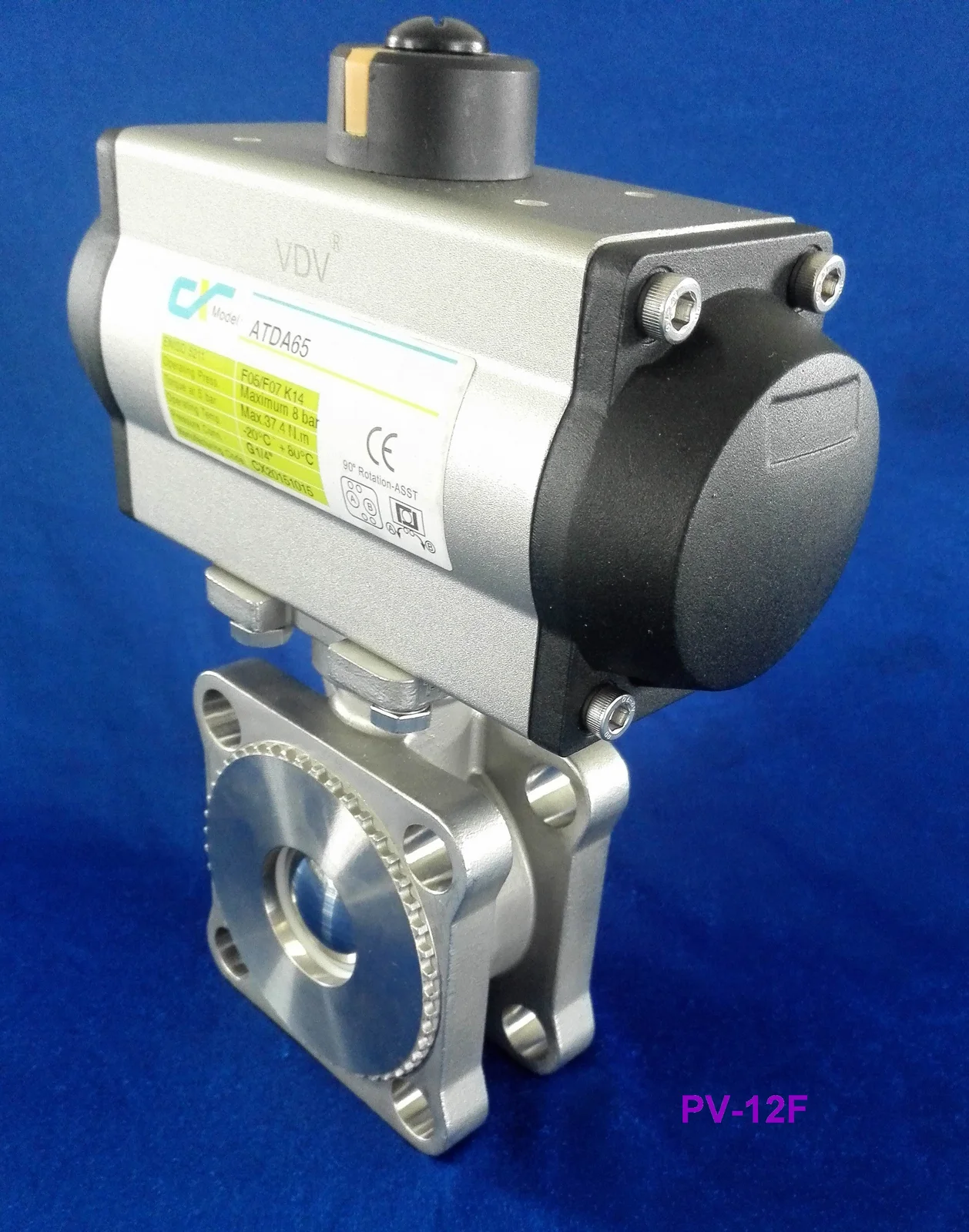
| Operation | manual, gear, pneumatic or electric |
Available size, pressure, temperature and material combinations vary by series and configuration. Final selection is confirmed against the applicable design standard and service conditions.
Seat and sealing options
Seat systems can include PTFE variants, TFM1600, PPL, PEEK, graphite and cavity-filled solutions for selected designs. FDA-related material requirements can be reviewed for food, beverage and pharmaceutical applications. Temperature, pressure, media compatibility, cycle life and cleanability should be considered together rather than choosing the seat only from a temperature table.
Manual, pneumatic and electric actuation
Manual levers are the simplest option for local operation. Pneumatic actuators suit frequent cycling, interlocks and process automation, while electric actuators are useful where compressed air is unavailable or remote positioning is needed. Limit switches, solenoid valves, air preparation and positioners can be incorporated into automated packages.
OEM, white-label and private-brand programs
We can supply existing VDV designs or review adapted configurations for distributors and OEMs. Branding, handle or actuator presentation, connection details, documentation and packaging can be aligned with the target market. Custom cast valve bodies and flow-control components can also be developed when a standard valve platform is not appropriate.
What to send for valve selection
Provide the media, pressure, temperature, nominal size, connection standard, body/trim material preference, seat requirement, actuation method, quantity and any certification or documentation requirement. For a custom valve or body, send the drawing and 3D model where available.
For component-level manufacturing rather than a complete valve, see our Valve Bodies & Flow-Control Components and Pressure-Tight Components.
Original VDV ball-valve models and options
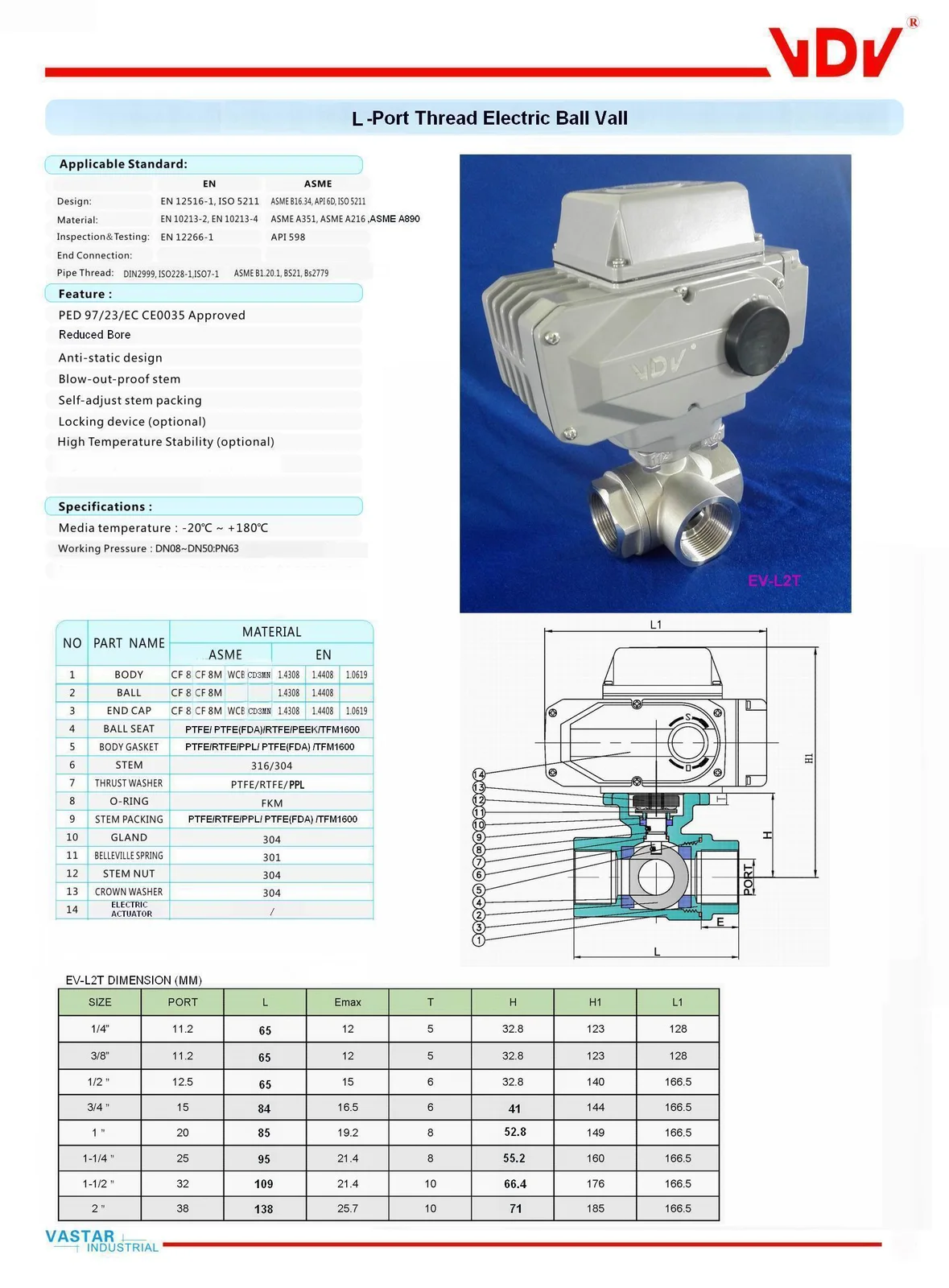
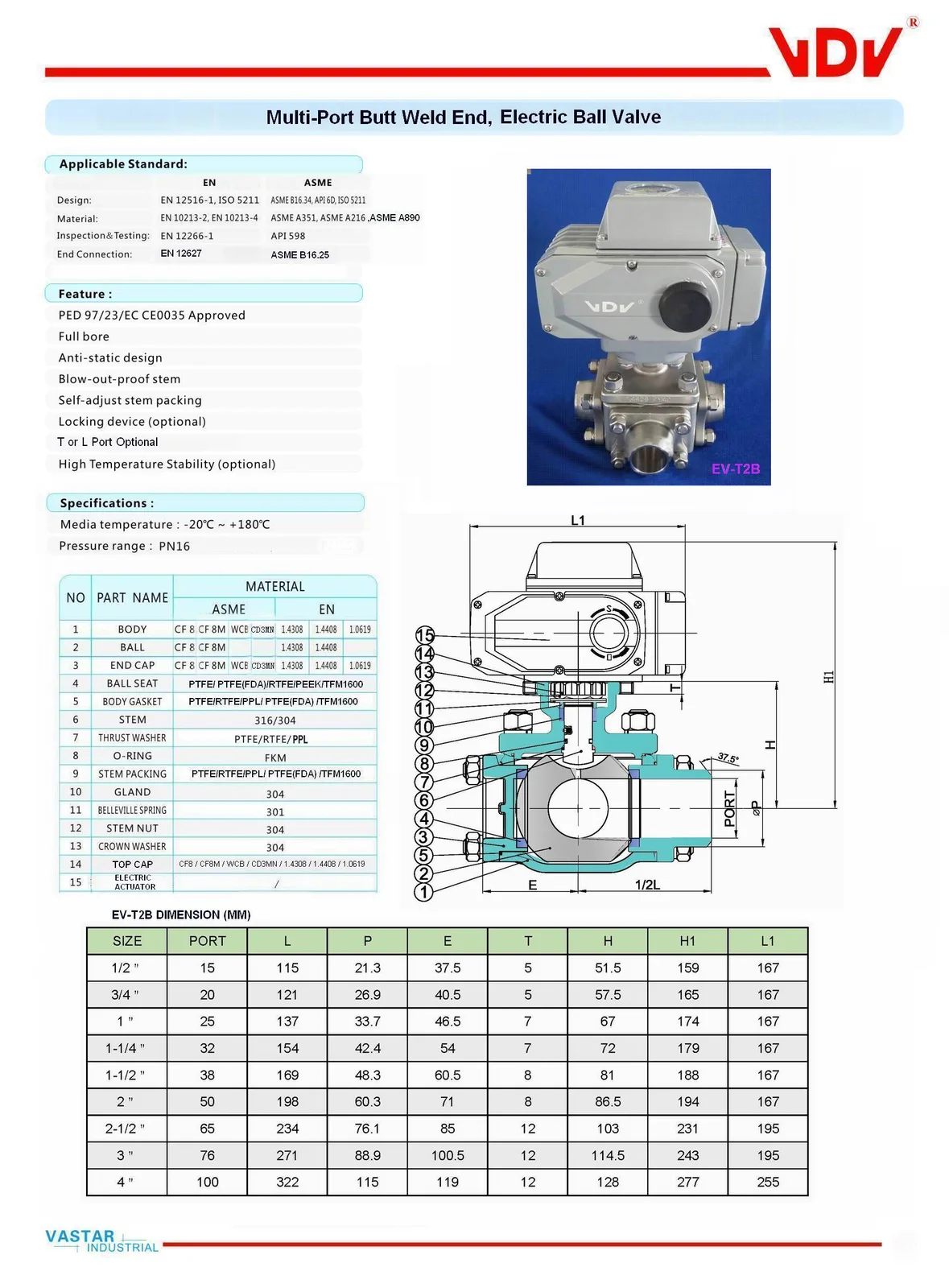
The former VDV catalogue also lists fully encapsulated ball seats, extended stem arrangements, V-port balls, special end-cap wall thicknesses, restricted-travel valves and private branding. Options vary by model; the DN8–DN200, PN16–PN140 and approximately −20 to +260 °C figures describe a combined catalogue envelope, not one valve rating.
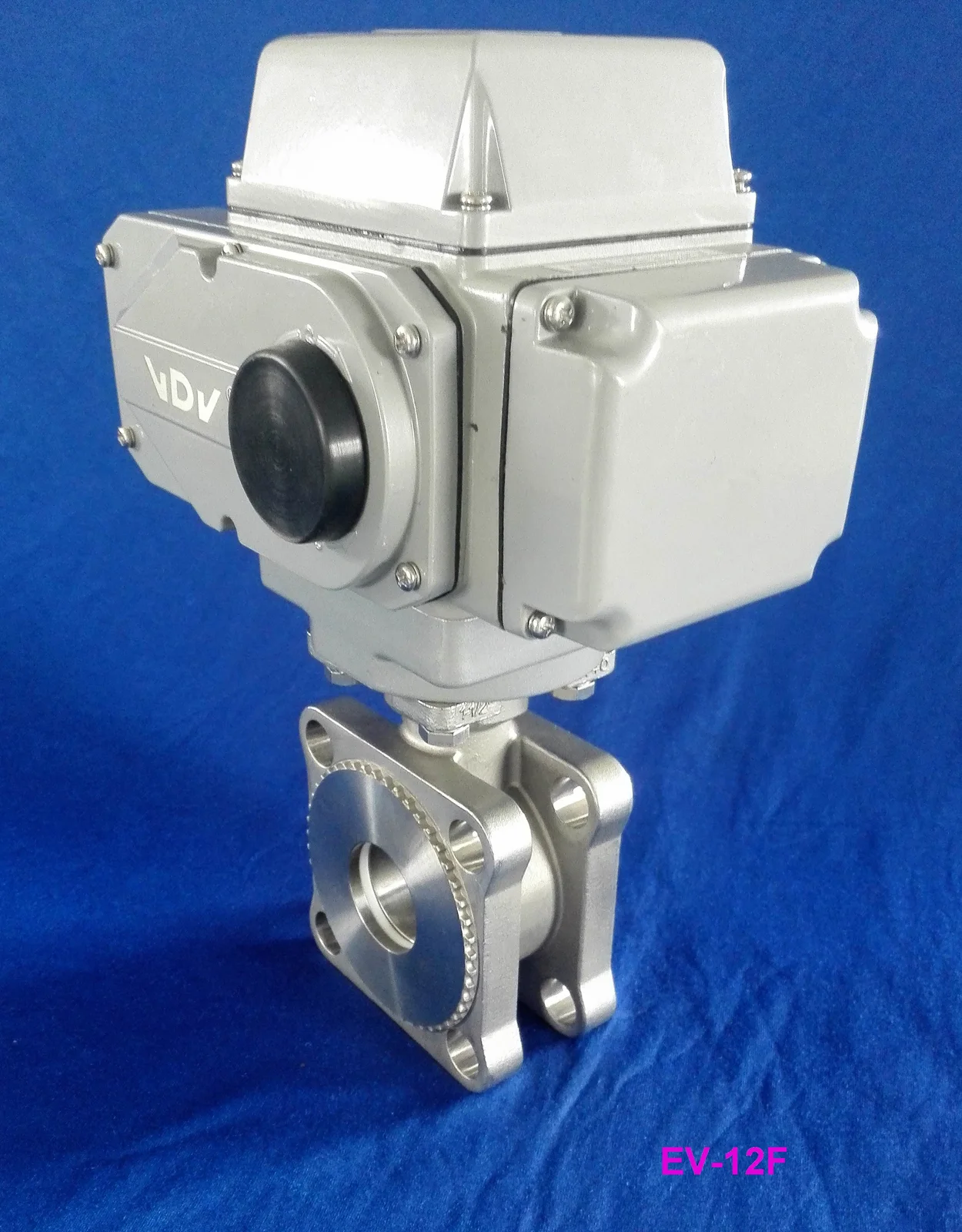
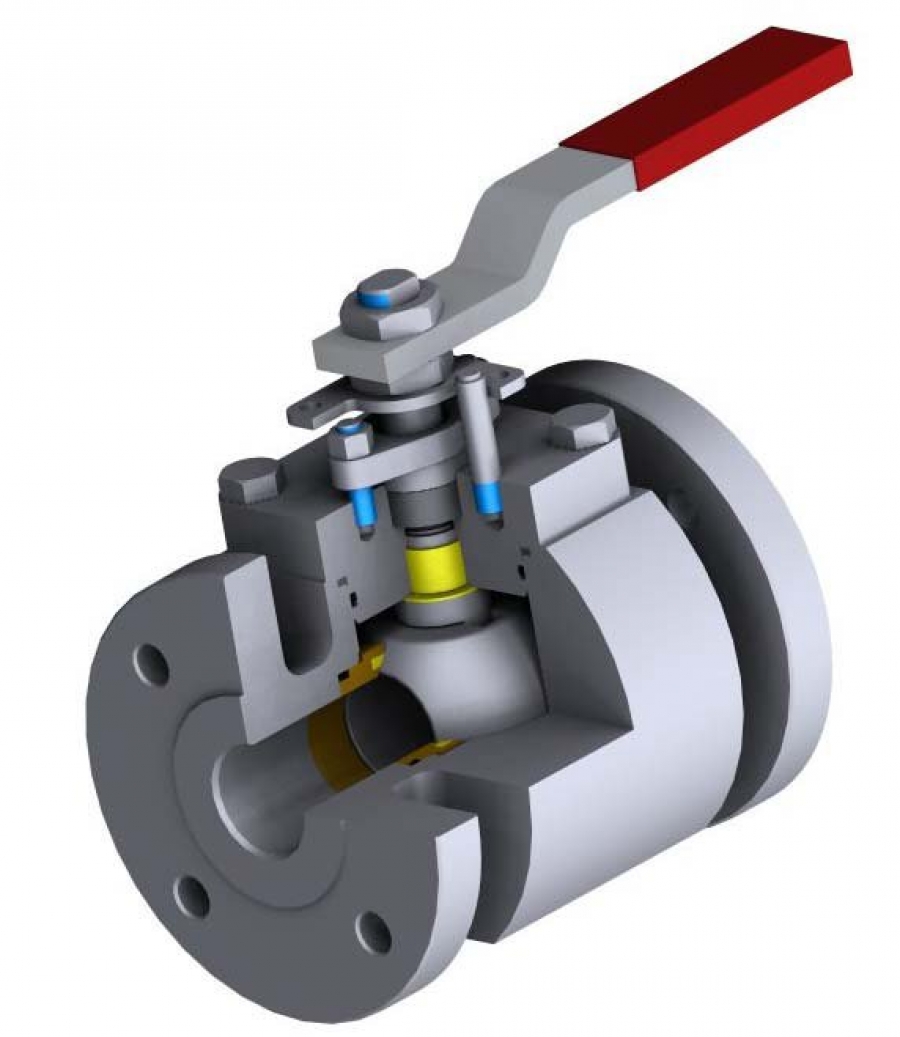
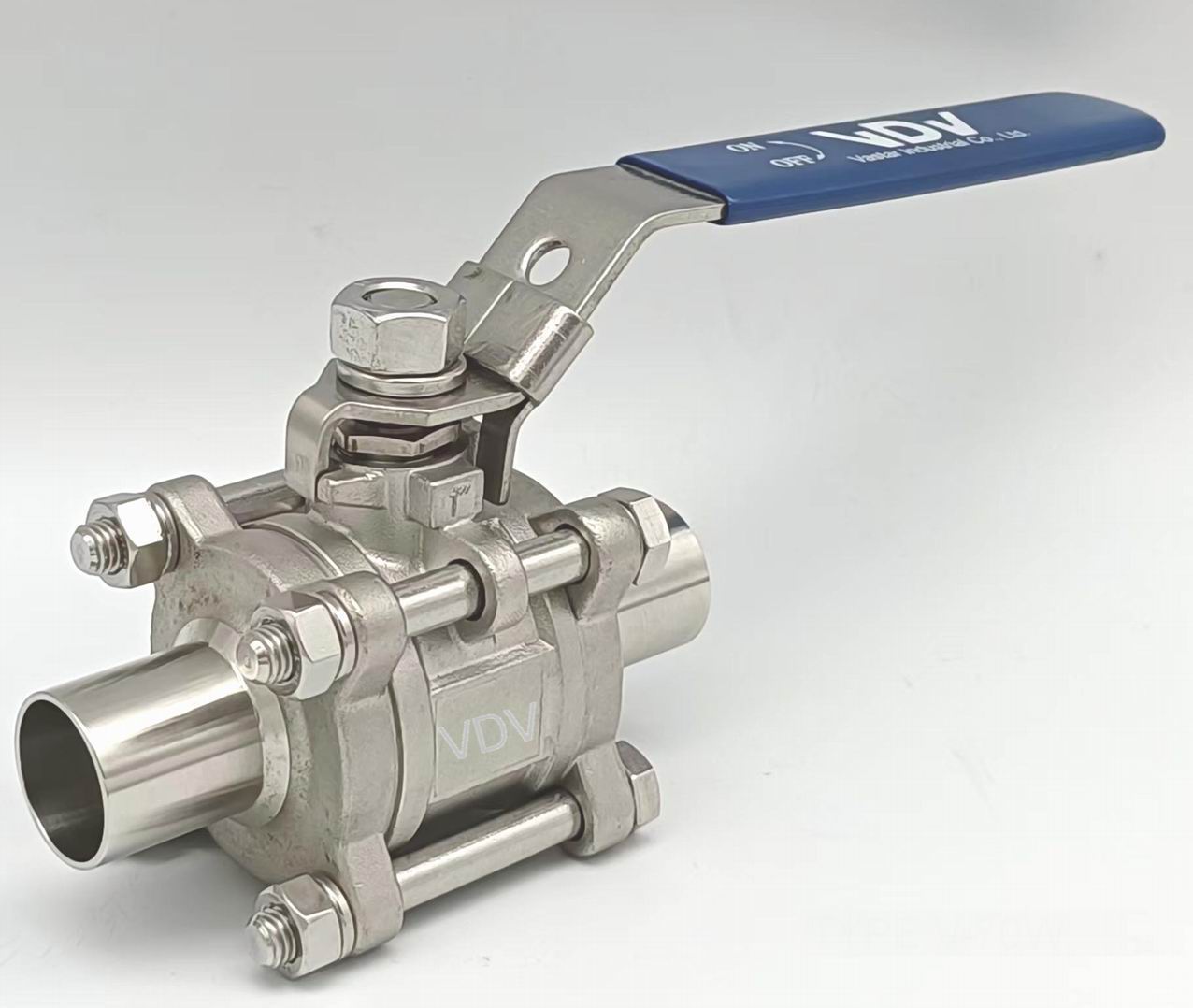
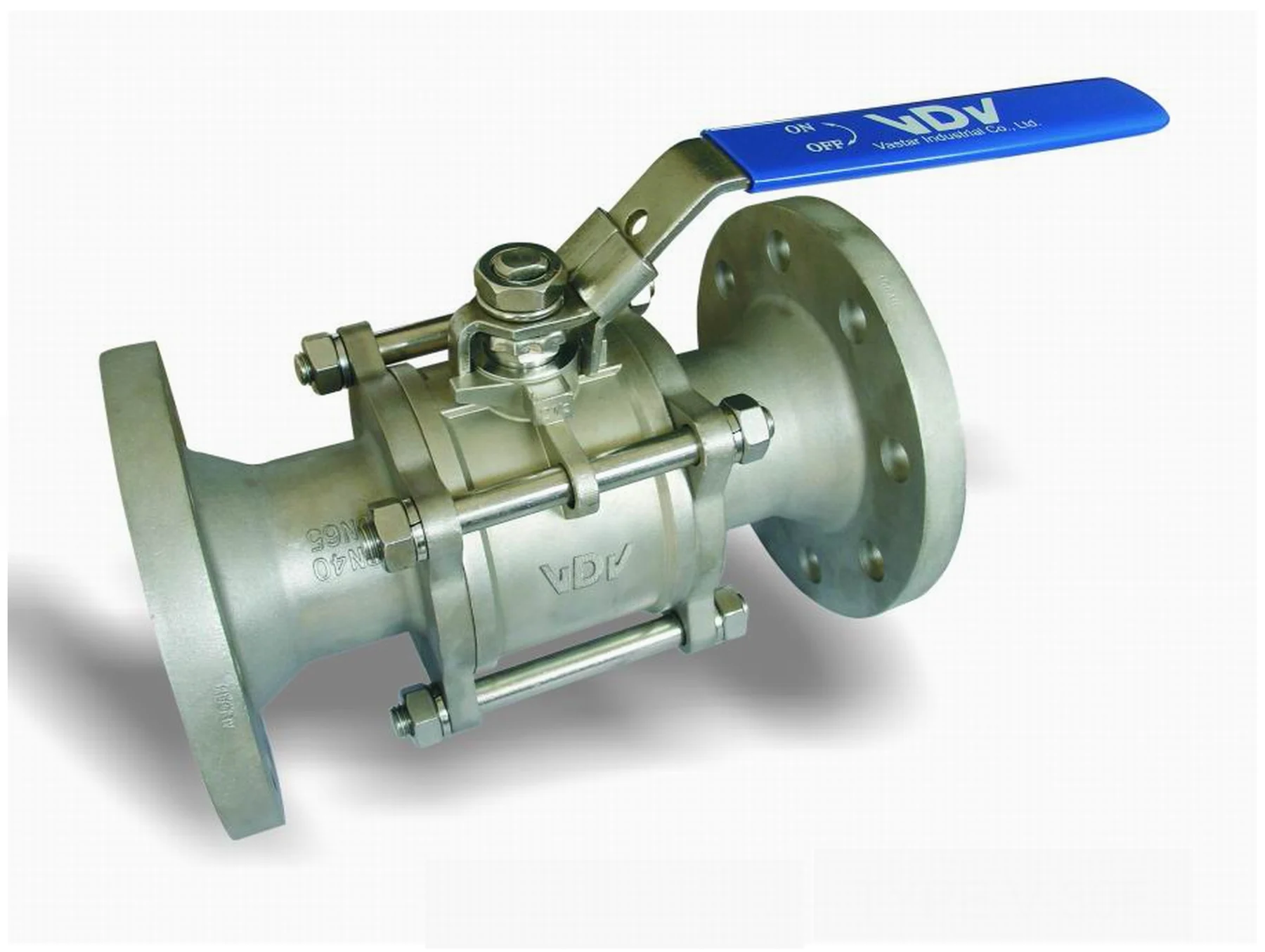
Original VDV photographs include a flanged V-30F model, a welded-end V-70W model and a technical cutaway. For a quotation, match the specific model, sealing configuration, connection and pressure–temperature rating.
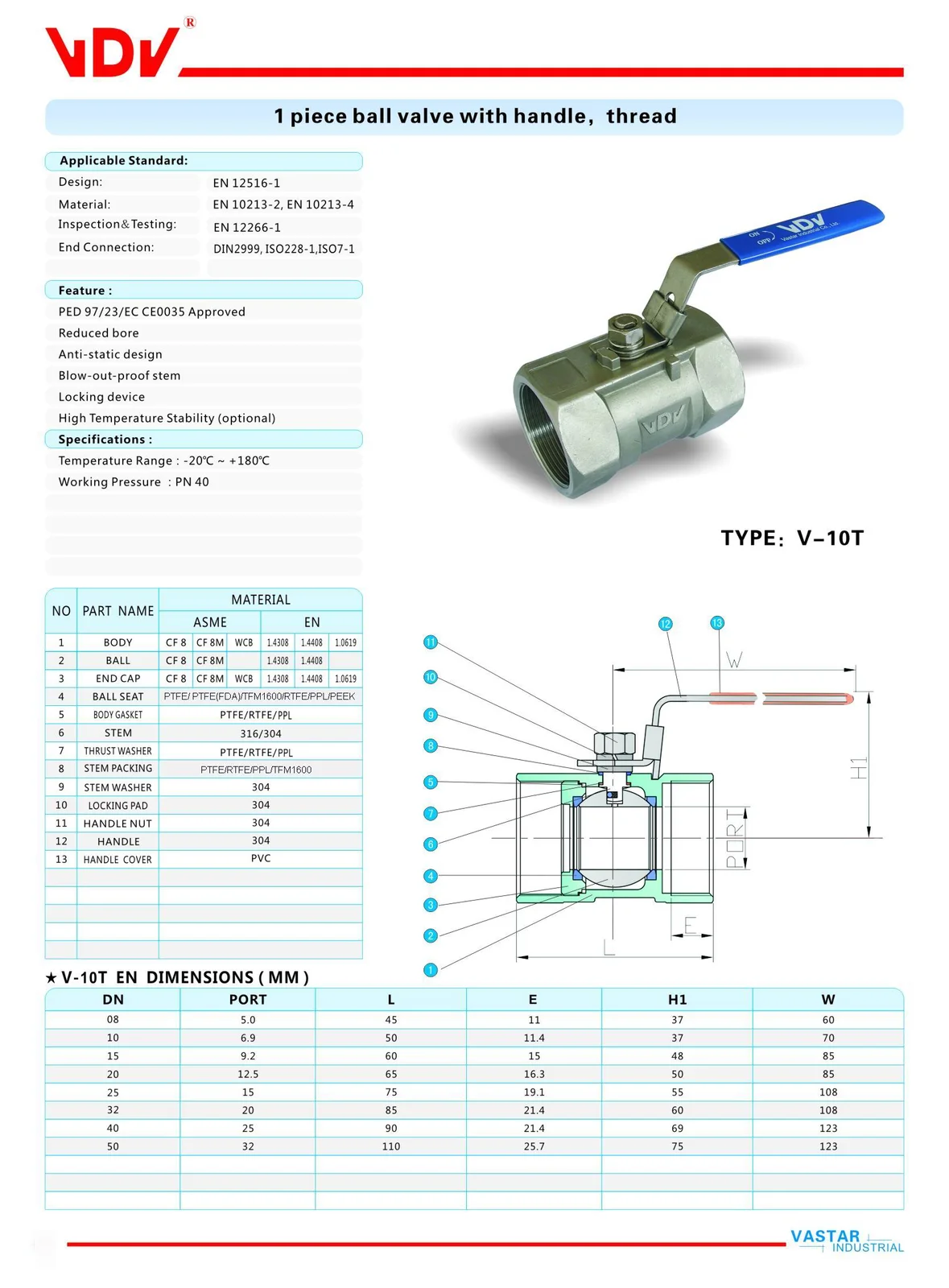
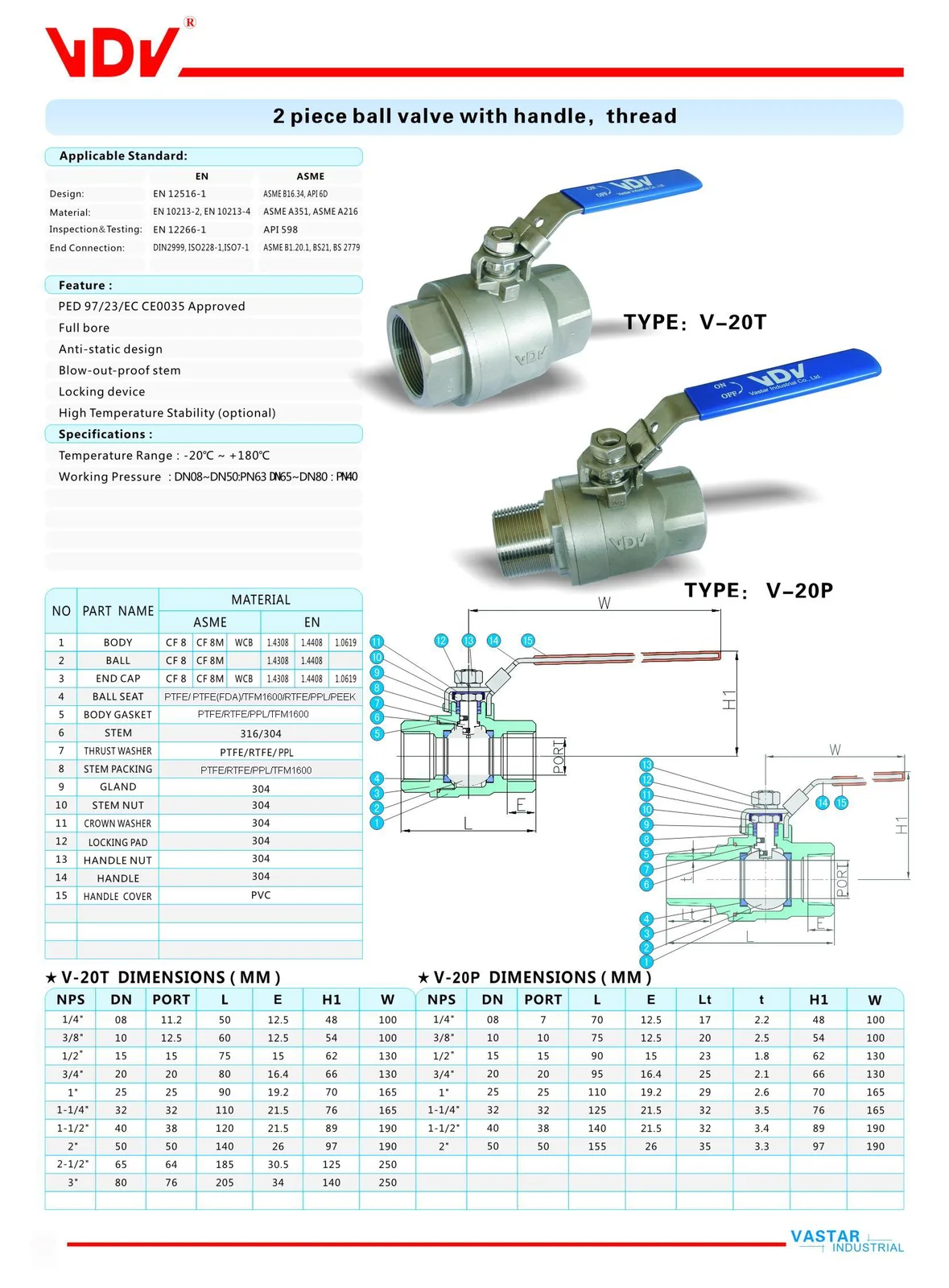
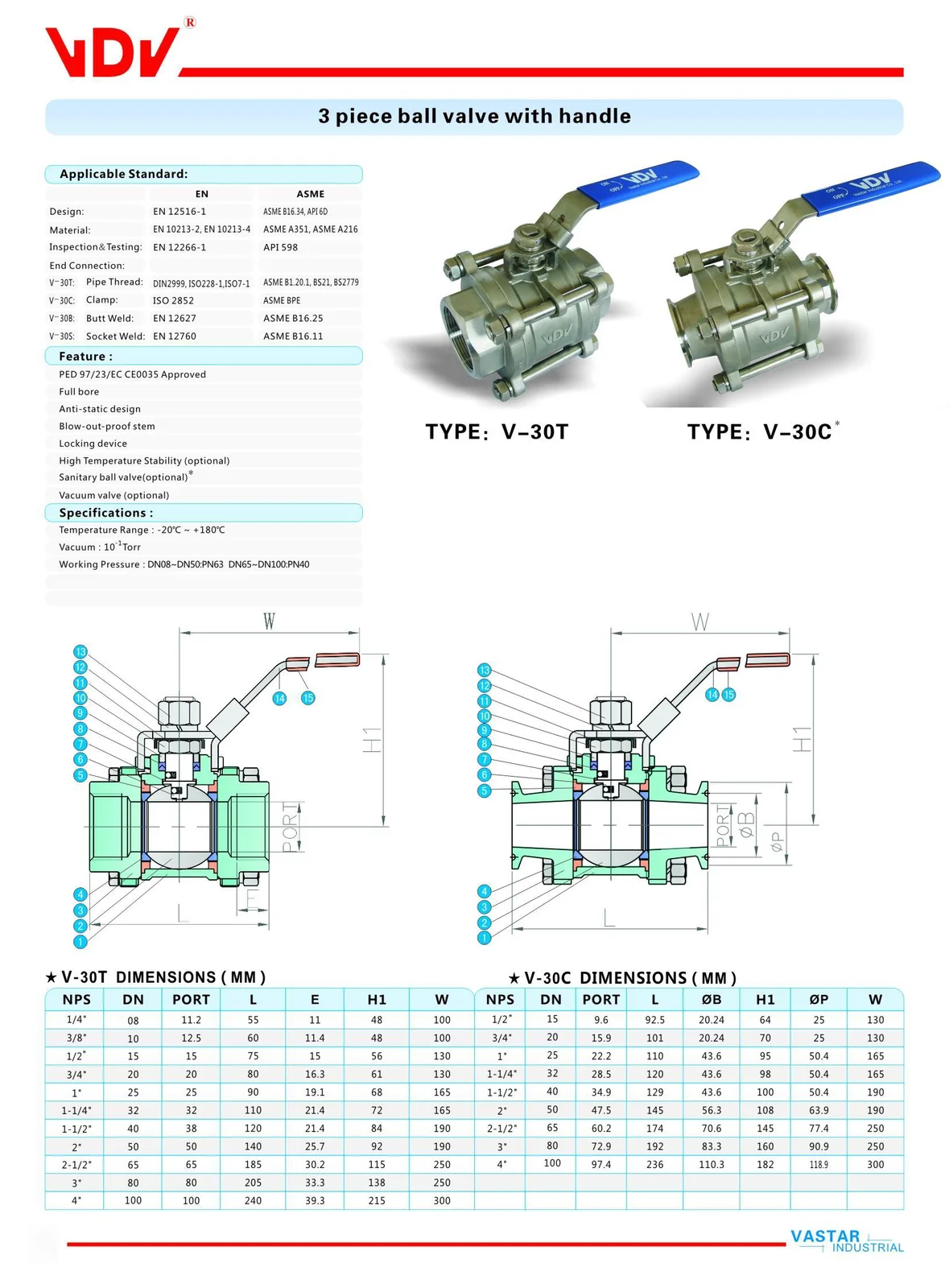
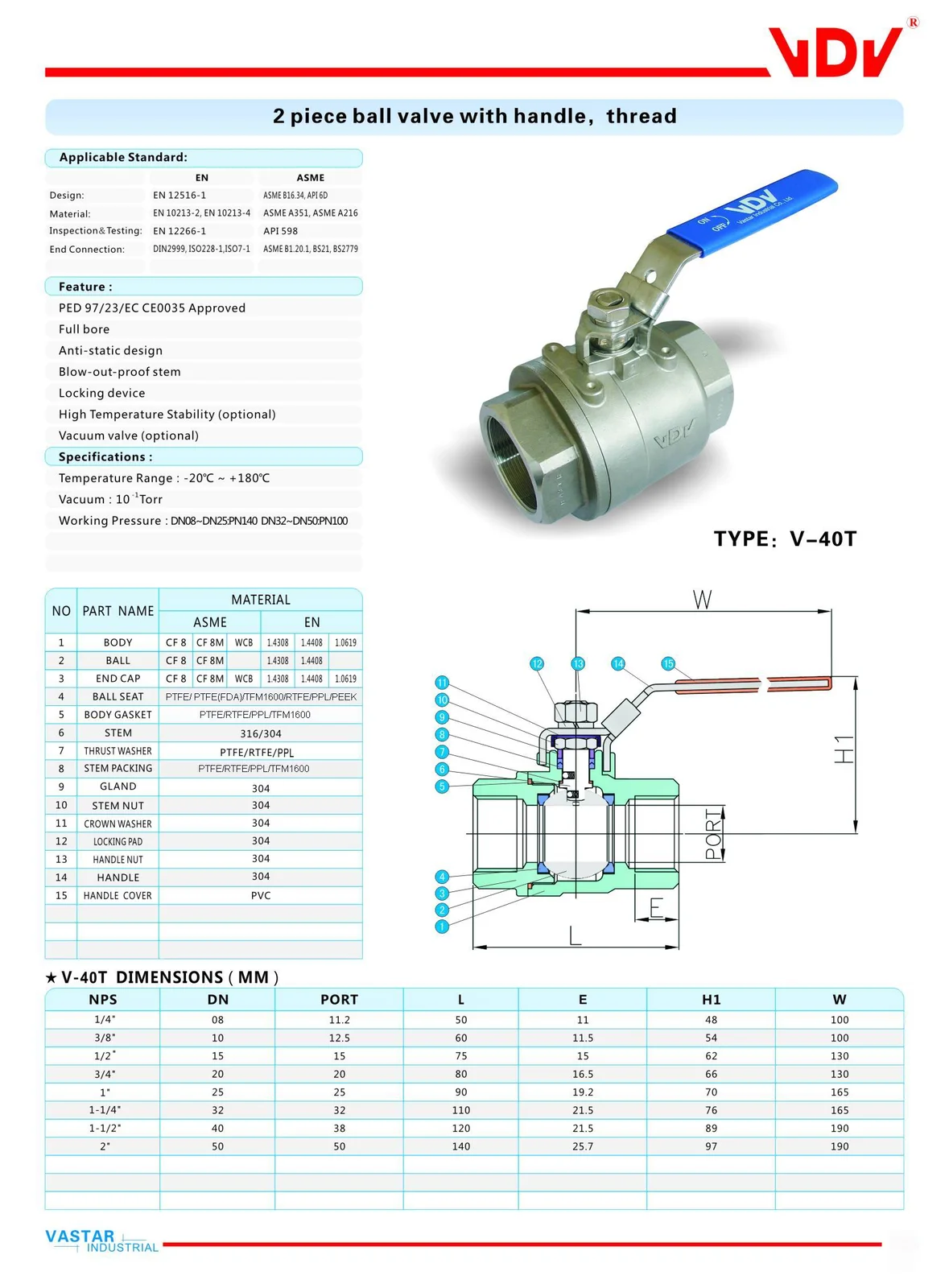
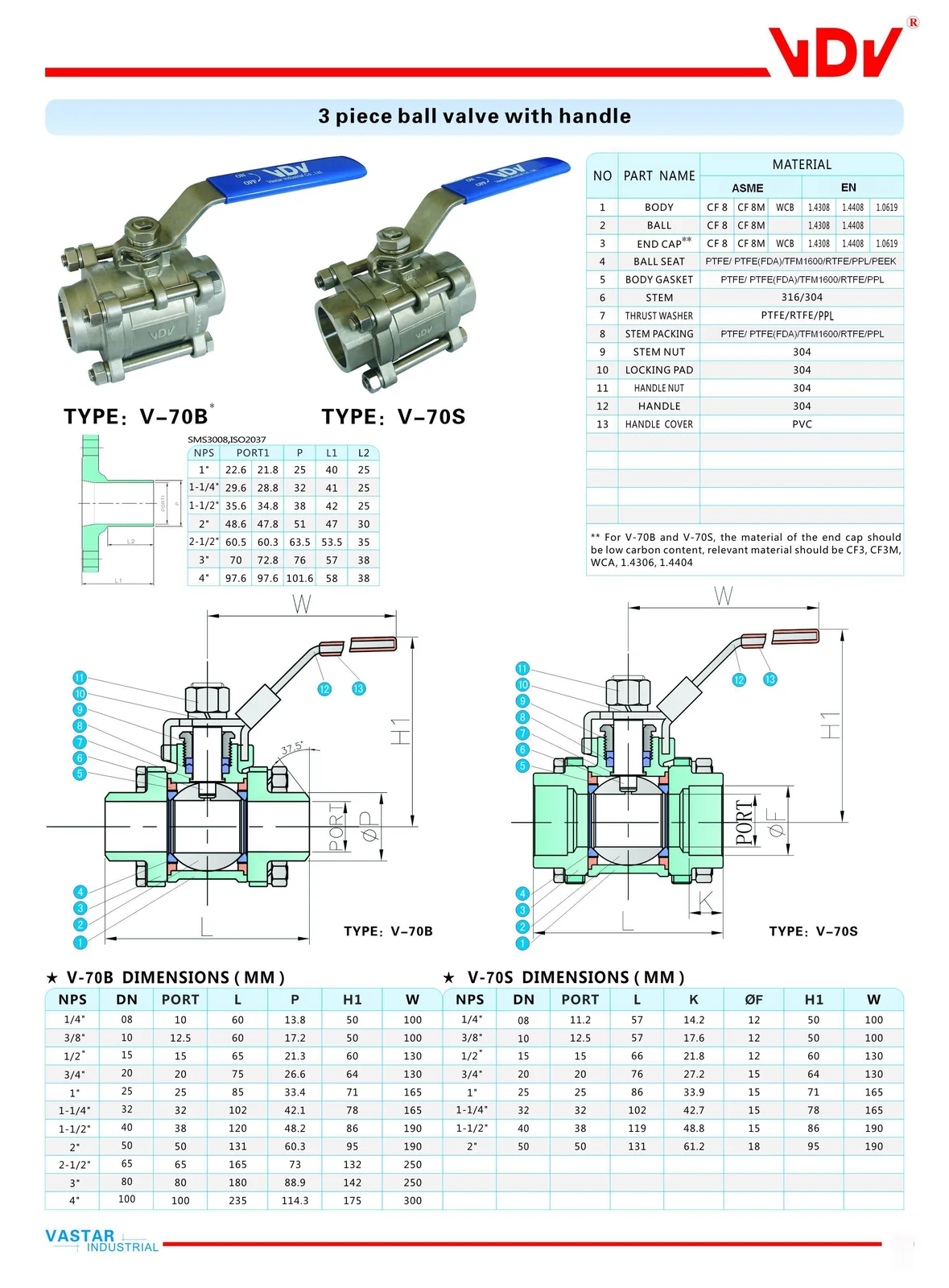
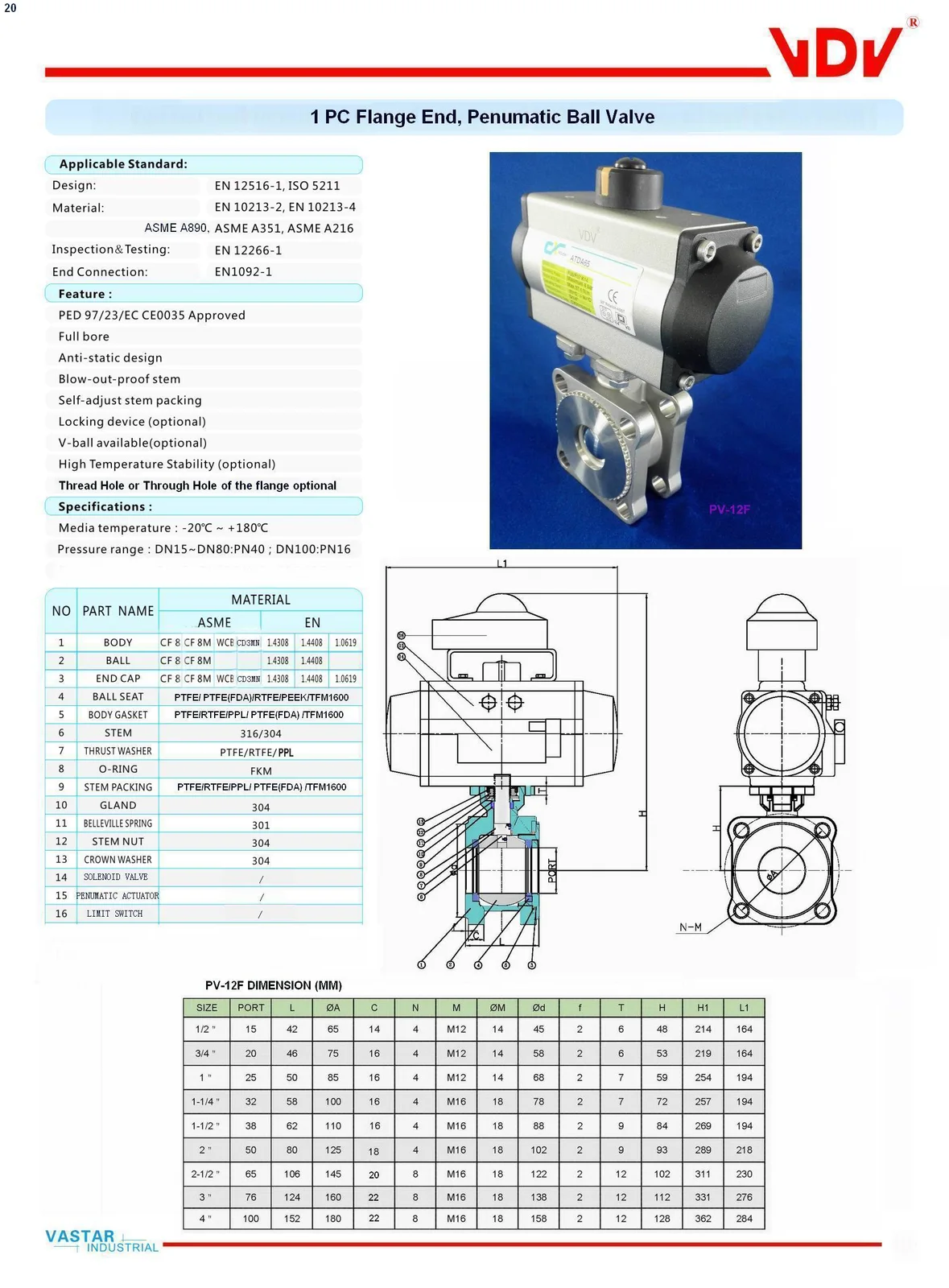
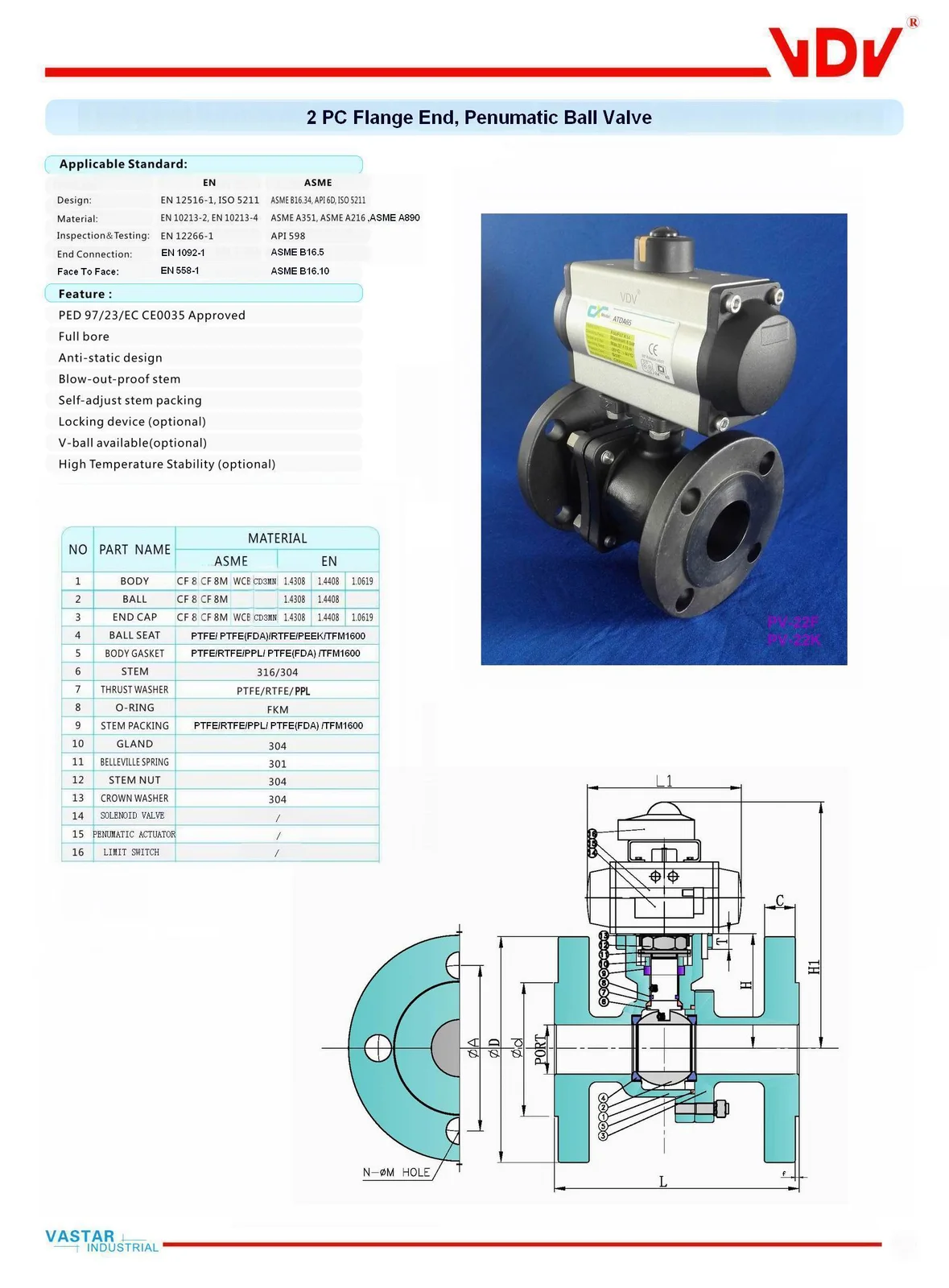
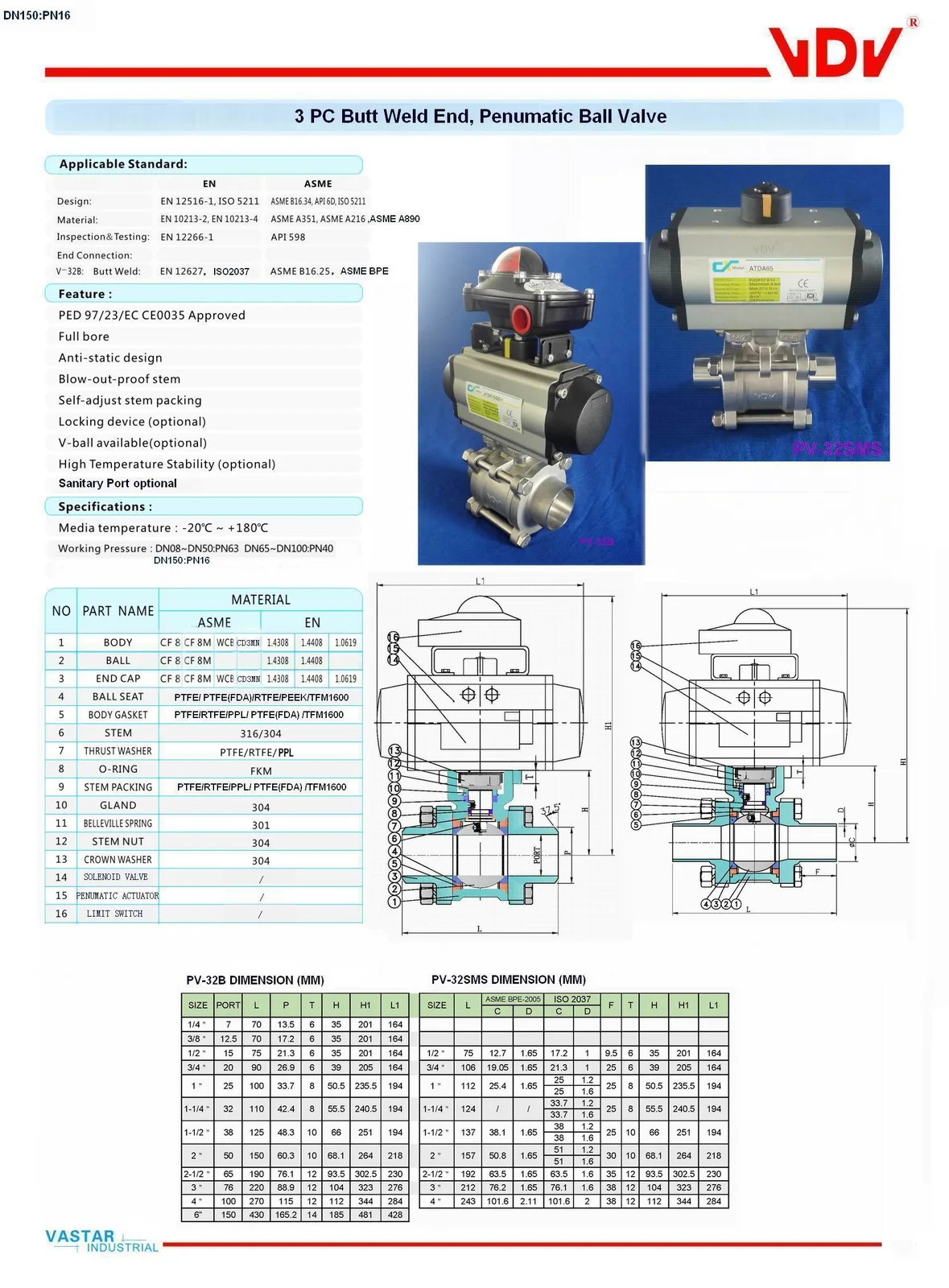
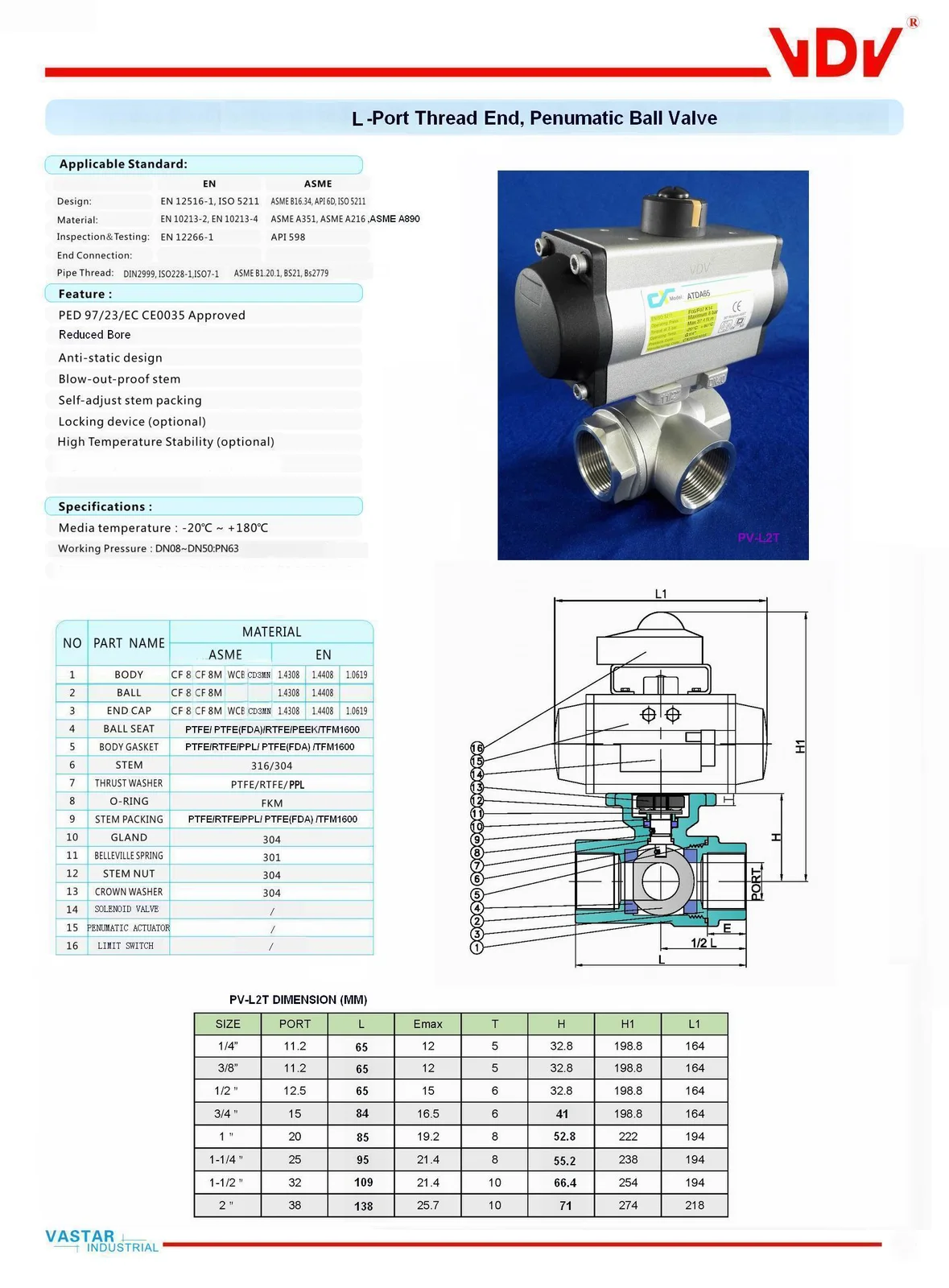
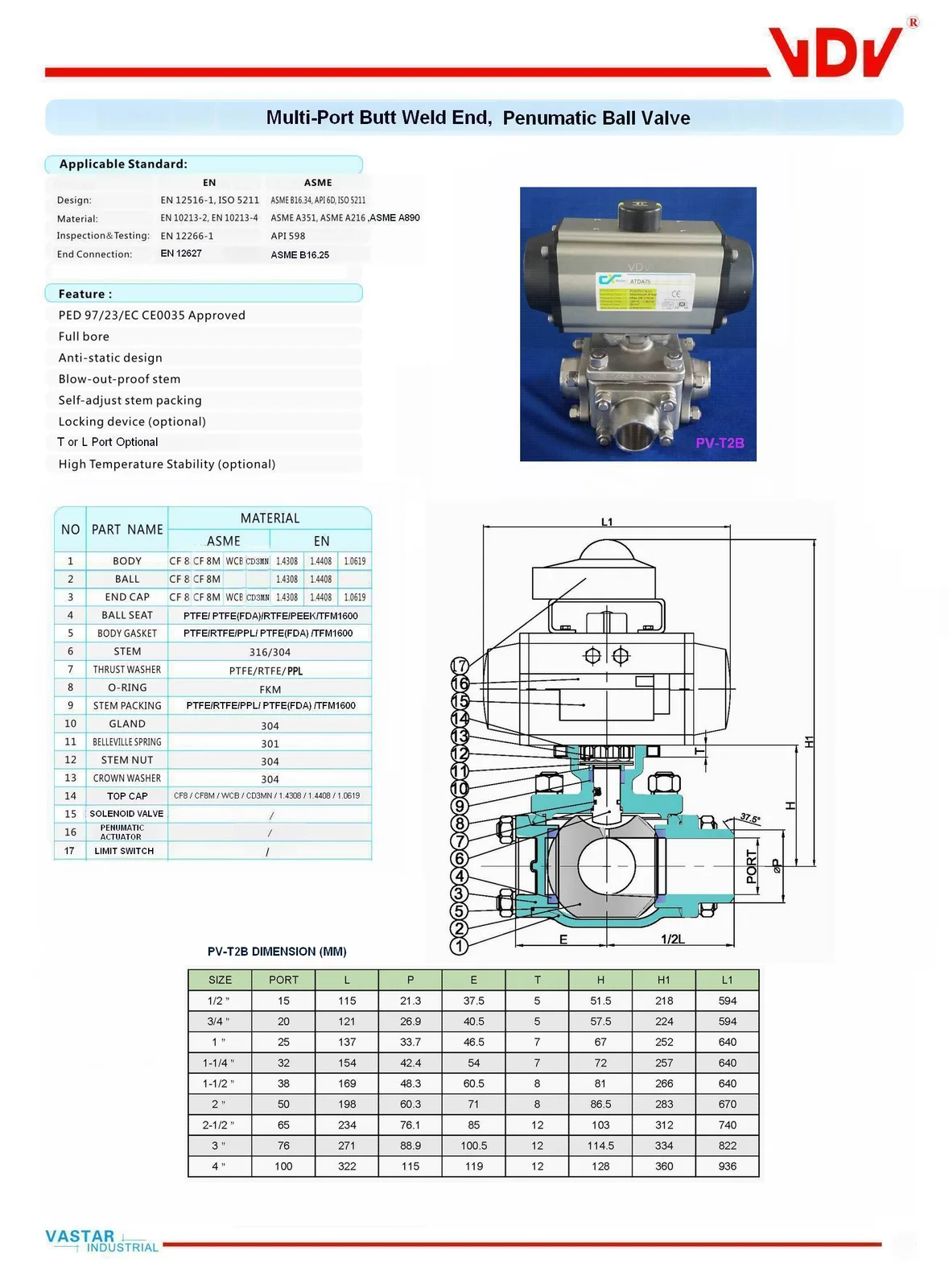
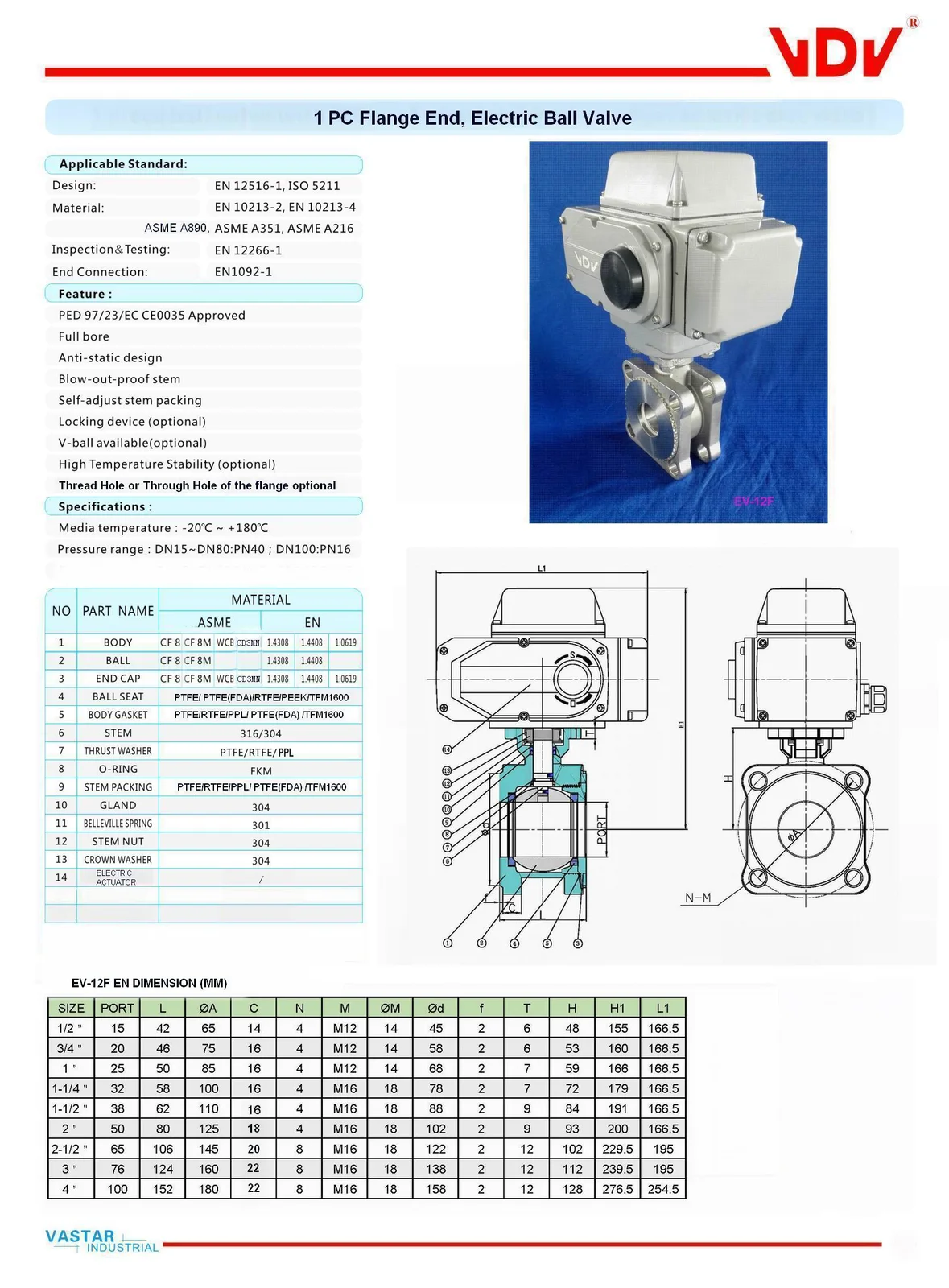
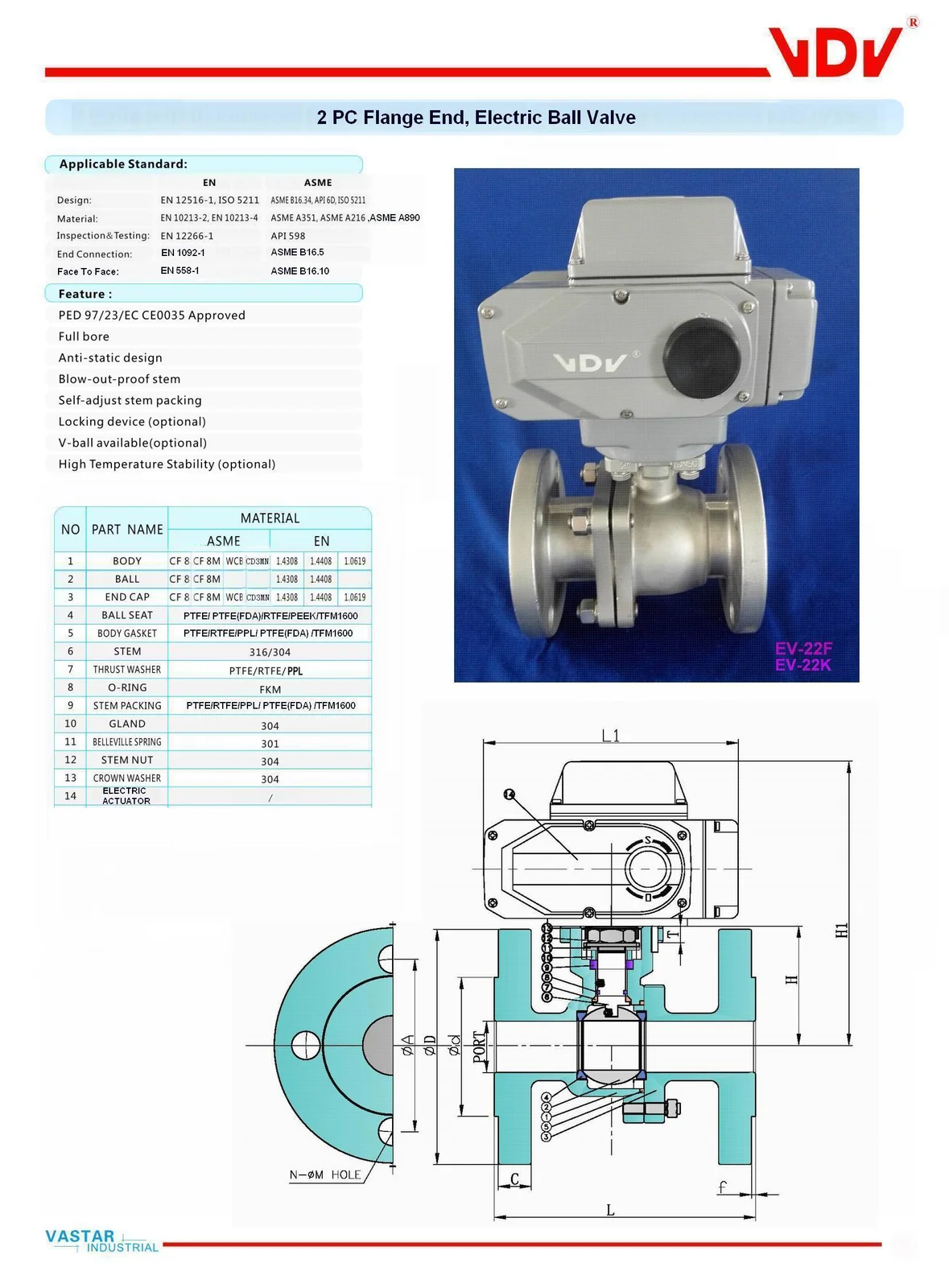
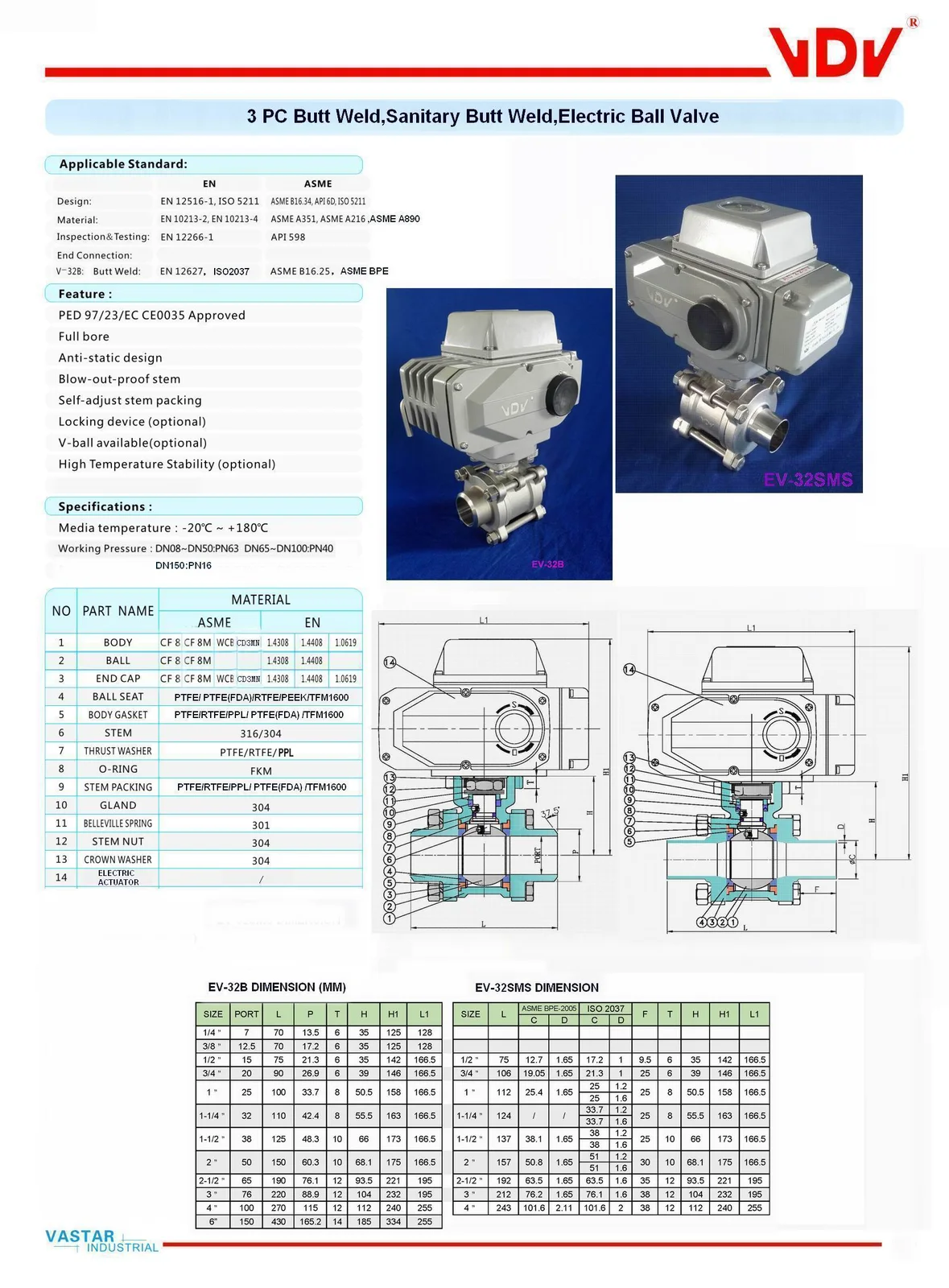
The former VDV catalogue listed the following historical manual, pneumatic and electric ball-valve families. These model names and original drawings are retained to identify legacy parts and to help match an RFQ. They are not a current availability list or an approval of the old dimensions, pressure ratings, materials or actuator combinations. Request the current drawing and pressure–temperature confirmation for any new order.
Manual ball-valve series
| Original model group / Original catalogue sheet | Catalogue construction / flow path |
|---|---|
V-10 · View archival drawing |
One-piece valve body |
V-20 / V-60 · V-20 drawing (group reference) |
Two-piece valve body |
V-30 · View archival drawing |
Three-piece valve body |
V-40T · View archival drawing |
Two-piece valve body |
V-70 · View archival drawing |
Three-piece valve body |
Pneumatically actuated ball-valve series
| Original model group / Original catalogue sheet | Catalogue construction / flow path |
|---|---|
PV-12 · View archival drawing |
One-piece valve body |
PV-22 · View archival drawing |
Two-piece valve body |
PV-32 · View archival drawing |
Three-piece valve body |
PV-L2 · View archival drawing |
L-port multi-way flow |
PV-T2 · View archival drawing |
T-port multi-way flow |
Electrically actuated ball-valve series
| Original model group / Original catalogue sheet | Catalogue construction / flow path |
|---|---|
EV-12 · View archival drawing |
One-piece valve body |
EV-22 · View archival drawing |
Two-piece valve body |
EV-32 · View archival drawing |
Three-piece valve body |
EV-L2 · View archival drawing |
L-port multi-way flow |
EV-T2 · View archival drawing |
T-port multi-way flow |
The diagrams are preserved at their original resolution for historical cross-reference, not as a verified 2026 product data sheet. For an actionable RFQ, include the model marking, size, connections, media, duty cycle and required testing. See our pneumatic actuators and OEM / white-label valves for current project scoping.
Inspection evidence to specify
- Valve type, size (DN/NPS), pressure class and end connections
- Medium, operating temperature, materials and sealing requirements
- Actuator/control, duty cycle and fail position where applicable
- Order quantity, required tests and documentation; drawings for custom parts
For an existing complete valve, a CAD drawing is optional. Use the message box to give the service and configuration details below; send drawings for custom valve bodies.